Importance of 24 Hour Heating and Air Services

In the property management industry, having access to 24-hour heating and air services is not just a convenience but a necessity. Emergencies can arise at any time, and being able to address heating and cooling issues promptly can prevent further damage and ensure the comfort and safety of tenants.
Quick Response Times
Quick response times from 24-hour heating and air services can make a significant difference in resolving issues efficiently. Whether it's a sudden heating system failure in the middle of winter or an air conditioning breakdown during a heatwave, immediate attention can prevent discomfort for tenants and potential property damage.
- During extreme weather conditions, such as heatwaves or cold snaps, a quick response to HVAC issues is crucial to maintaining a habitable environment for tenants.
- In cases of malfunctioning heating systems, immediate repairs can prevent pipes from freezing and bursting, which can lead to costly water damage.
- Timely maintenance and repair of air conditioning systems can prevent mold growth and improve indoor air quality, ensuring the health and well-being of occupants.
Essential Emergency Preparedness Procedures
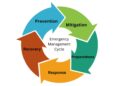
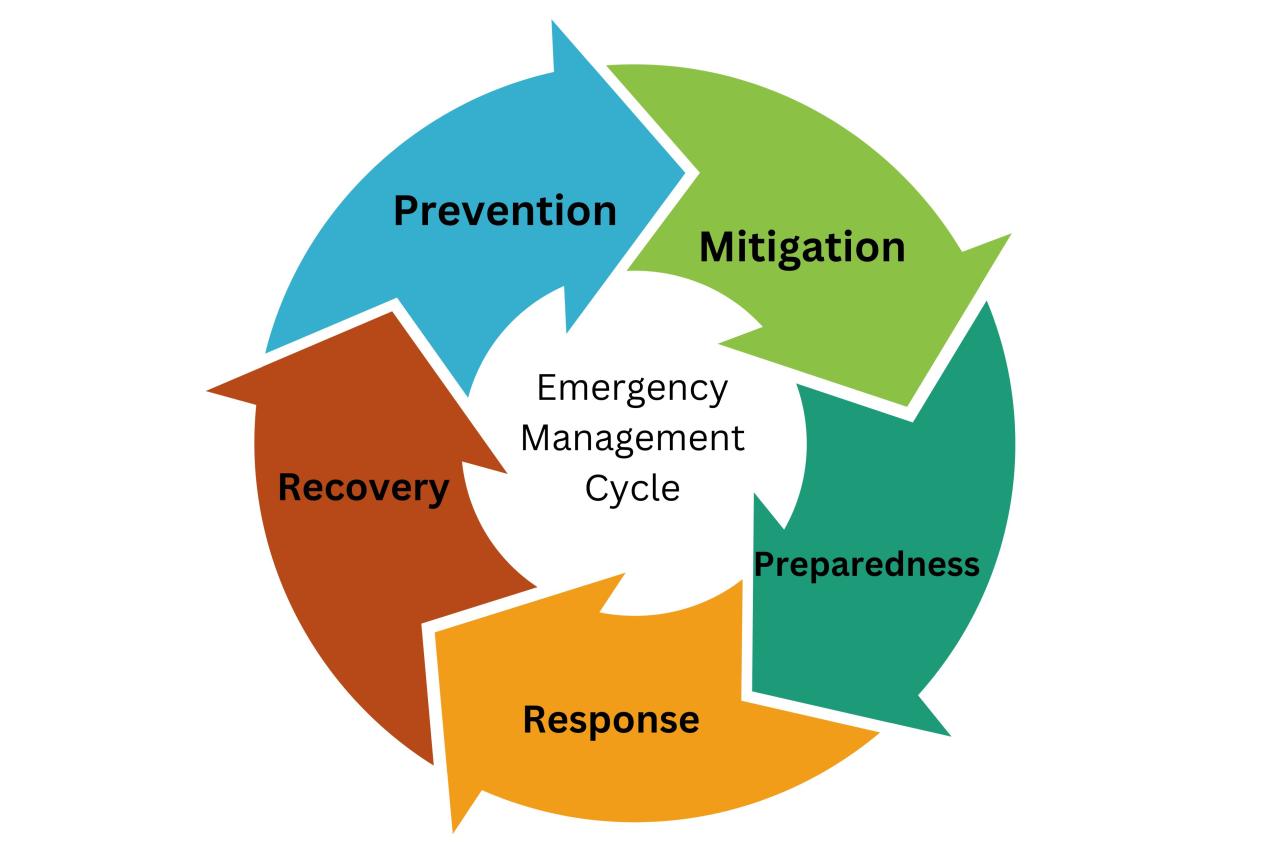
In the event of heating or air emergencies, property managers need to be prepared to act quickly and efficiently to prevent further damage and ensure the safety and comfort of occupants.
Creating a Reliable List of Emergency Contacts
Having a reliable list of emergency contacts for HVAC services is crucial for property managers. This list should include contact information for trusted heating and air companies that offer 24-hour emergency services. Property managers should also have access to contact information for technicians who can quickly respond to urgent HVAC issues.
- Research and vet HVAC companies in advance to ensure they are reputable and reliable.
- Include contact information for multiple HVAC companies to have backup options in case the primary service provider is unavailable.
- Update the list regularly to ensure that all contact information is current and accurate.
Proactive Prevention of Heating and Air Emergencies
Property managers can take proactive measures to prevent heating and air emergencies, reducing the likelihood of unexpected breakdowns and costly repairs.
- Implement a regular maintenance schedule for HVAC systems to identify and address potential issues before they escalate into emergencies.
- Ensure that filters are changed regularly to maintain proper airflow and prevent system malfunctions.
- Educate tenants on proper HVAC usage and maintenance practices to prevent misuse or neglect that could lead to emergencies.
- Invest in smart HVAC technology that can provide real-time alerts and diagnostics to detect issues early and prevent emergencies.
Ensuring Property Safety and Comfort
Maintaining functional heating and air systems is crucial for ensuring the safety and comfort of tenants in a property. A properly working HVAC system not only provides a comfortable living environment but also plays a vital role in maintaining indoor air quality and preventing health issues related to extreme temperatures.
Comparing HVAC Maintenance Plans
- Regular Maintenance Plans: Scheduled inspections and tune-ups help identify potential issues early, ensuring optimal system performance and preventing sudden breakdowns.
- Emergency Service Plans: These plans offer quick response times during HVAC emergencies, providing peace of mind to tenants and property managers alike.
- Comprehensive Plans: Combining regular maintenance and emergency services, these plans offer a holistic approach to HVAC care, minimizing risks and maximizing system efficiency.
Role of Property Managers in HVAC Emergencies
- Communication: Property managers play a key role in promptly communicating with tenants during HVAC emergencies, providing updates and ensuring their safety.
- Coordination: Coordinating with HVAC service providers for timely repairs or replacements is essential to minimize downtime and restore comfort in the property.
- Preventive Measures: Implementing preventive measures like regular inspections and system checks can help property managers anticipate and address potential HVAC issues before they escalate into emergencies.
Technology and Tools for Monitoring HVAC Systems
When it comes to managing heating and air systems in properties, having access to the latest technology and tools for monitoring HVAC systems remotely can be a game-changer. These advancements not only help property managers stay on top of system performance but also enable them to detect issues early and address them proactively.
Smart Thermostats and HVAC Monitoring Systems
Using smart thermostats and HVAC monitoring systems can revolutionize the way property managers approach heating and air system maintenance. These devices are equipped with sensors and connectivity features that allow real-time monitoring and data tracking. By utilizing these tools, property managers can:
- Monitor temperature fluctuations and humidity levels remotely, ensuring optimal comfort for residents.
- Receive alerts for any anomalies or malfunctions in the HVAC system, enabling quick troubleshooting and intervention.
- Track energy consumption patterns and identify areas for efficiency improvements, leading to cost savings in the long run.
Smart thermostats and HVAC monitoring systems provide property managers with valuable insights and control over their heating and air systems, ultimately enhancing the overall property management experience.
FAQ Corner
How important is quick response time in resolving heating and cooling issues during emergencies?
Quick response time is crucial as it can prevent further damage to the property and ensure the comfort of tenants.
What are some examples of emergency situations where immediate HVAC services are necessary?
Examples include heating system breakdown during winter or air conditioning failure in extreme heat.
How can property managers proactively prevent heating and air emergencies?
Regular maintenance, inspections, and having a reliable list of emergency contacts can help prevent emergencies.