Strategies for Minimizing Business Downtime
Minimizing business downtime during office renovations is crucial to maintain productivity, employee morale, and customer satisfaction. It is essential to have effective strategies in place to reduce downtime and ensure a smooth transition during the renovation process.
Effective Strategies:
- Plan Ahead: Proper planning is key to minimizing downtime. RWE Design Build works closely with clients to create a detailed renovation schedule that takes into account crucial business operations and identifies the most efficient ways to carry out the renovation work.
- Phased Approach: Breaking down the renovation process into smaller phases can help minimize disruptions. RWE Design Build implements a phased approach to ensure that essential areas of the office remain operational while work is being done in other sections.
- After-Hours Work: Performing renovation work outside of regular business hours can significantly reduce downtime. RWE Design Build offers flexible scheduling options to accommodate after-hours work and minimize impact on daily operations.
- Clear Communication: Maintaining open communication with all stakeholders, including employees and clients, is essential during office renovations. RWE Design Build ensures clear and timely communication to manage expectations and address any concerns proactively.
- Temporary Workspace Solutions: Providing temporary workspace solutions for employees during renovations can help maintain productivity. RWE Design Build offers temporary office setups to ensure minimal disruption to daily work routines.
Planning and Preparation
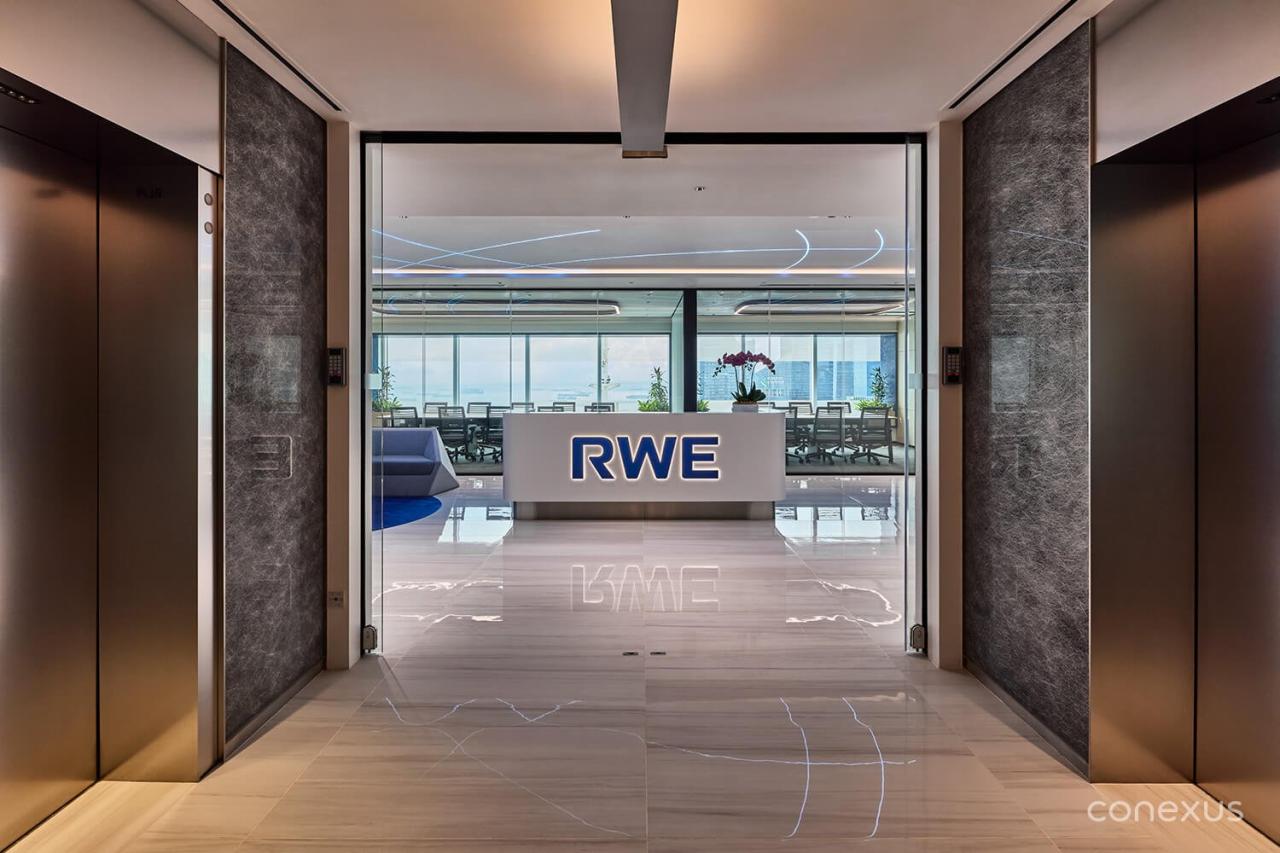
When it comes to planning and preparing for an office renovation, there are several crucial steps to follow in order to minimize downtime and ensure a smooth process.
Initial Steps in Planning an Office Renovation
- Assess the current state of the office space and identify areas that need renovation.
- Set a clear budget for the renovation project to avoid any unexpected costs.
- Consult with an experienced design-build team to discuss your vision and goals for the renovation.
- Create a detailed renovation plan that Artikels the scope of work, timeline, and resources needed.
Key Factors to Consider When Preparing for Renovations
- Communicate with employees about the upcoming renovation to manage expectations and minimize disruptions.
- Establish a temporary workspace or alternative arrangements for employees during the renovation process.
- Coordinate with contractors and suppliers to ensure timely delivery of materials and equipment.
- Obtain any necessary permits or approvals before starting the renovation work to avoid delays.
Creating a Timeline for the Renovation Process
- Break down the renovation project into smaller tasks and assign deadlines for each phase.
- Factor in buffer time for unexpected delays or issues that may arise during the renovation.
- Regularly monitor the progress of the renovation work and make adjustments to the timeline as needed.
- Communicate the timeline to all stakeholders involved to ensure everyone is on the same page.
Temporary Workspace Solutions
Setting up temporary workspaces during office renovations is crucial to minimizing business downtime and maintaining productivity. Employees need a space where they can continue their work seamlessly while the renovation process is ongoing. Here are some examples of temporary workspace solutions that can help businesses during office renovations:
Remote Work Options
- Allow employees to work remotely from home or other off-site locations with access to necessary tools and resources.
- Implement virtual collaboration tools such as video conferencing, project management software, and cloud-based storage to ensure communication and workflow continuity.
Shared Workspaces
- Utilize shared workspaces or co-working spaces in the vicinity to accommodate employees who cannot work from home.
- Ensure these shared spaces are equipped with basic office amenities and facilities to support daily work activities.
On-Site Temporary Offices
- Set up temporary offices within the same building or in a nearby location to provide a dedicated workspace for employees.
- Equip these temporary offices with essential office furniture, equipment, and technology to replicate the work environment as much as possible.
Shift Schedules
- Implement staggered shift schedules to accommodate employees in limited workspace capacity during renovations.
- Ensure proper coordination and communication to manage workflow continuity and avoid disruptions due to overlapping shifts.
Communication and Coordination
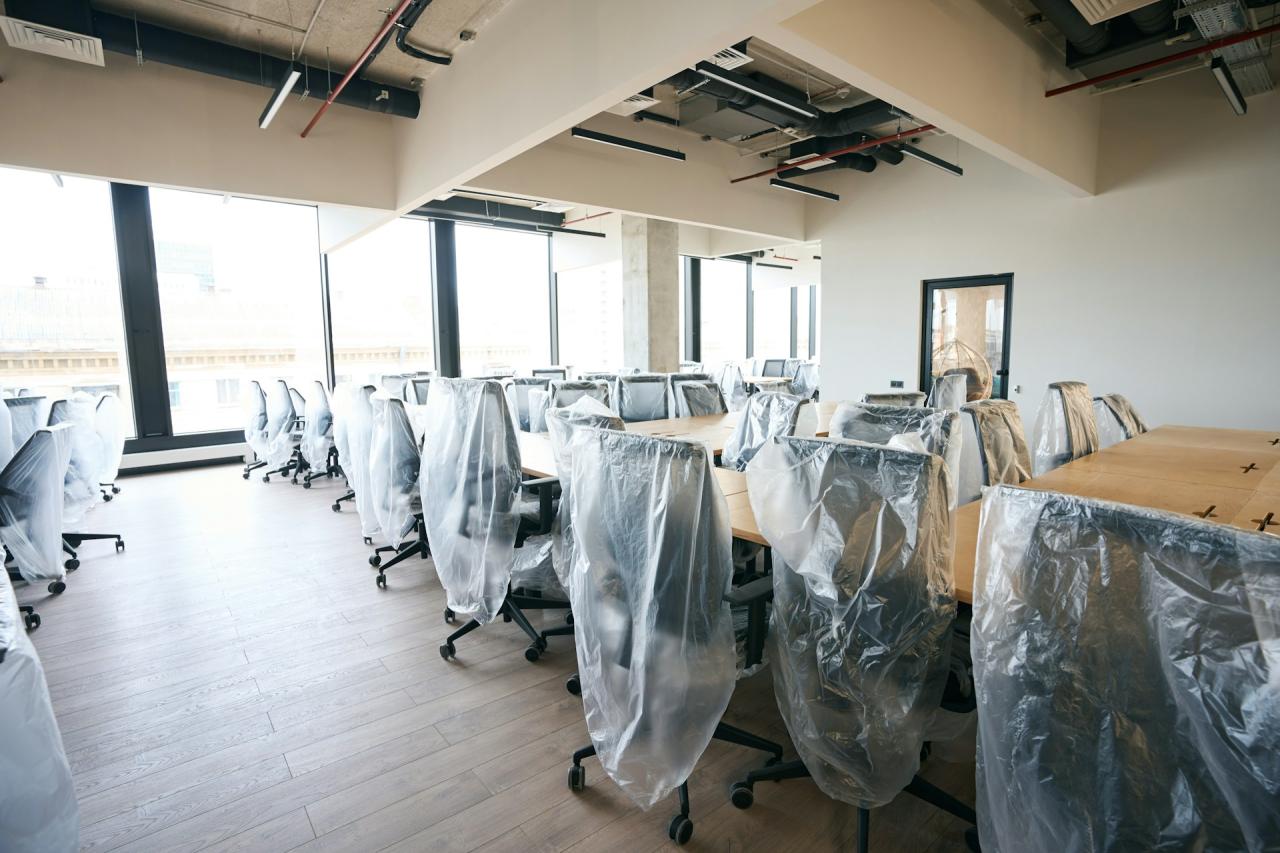
Effective communication and coordination are essential components when it comes to minimizing business downtime during office renovations. Ensuring that employees and stakeholders are well-informed and engaged throughout the process can make a significant difference in the renovation experience.
Importance of Effective Communication
Effective communication with employees and stakeholders is crucial during office renovations to keep everyone informed about the progress, timelines, and any disruptions that may occur. This helps in managing expectations and reducing uncertainty, leading to a smoother transition during the renovation period.
- Regular Updates: Providing regular updates through emails, meetings, or newsletters can help in keeping everyone in the loop about the renovation process.
- Open Door Policy: Encouraging open communication channels where employees can ask questions or raise concerns can foster a sense of transparency and trust.
- Clear Communication Channels: Establishing clear communication channels, such as a designated point of contact for queries, can streamline the flow of information.
Strategies for Coordination
Coordination plays a vital role in ensuring that all aspects of the renovation project align seamlessly to minimize disruptions and delays.
- Project Management Team: Designating a project management team to oversee the renovation project can help in coordinating tasks, schedules, and resources effectively.
- Regular Meetings: Conducting regular meetings with all stakeholders, including contractors, designers, and employees, can facilitate coordination and address any issues promptly.
- Flexibility and Adaptability: Being flexible and adaptable to changes during the renovation process can help in adjusting schedules and resources to maintain productivity.
Commonly Asked Questions
Why is minimizing business downtime important during office renovations?
Minimizing business downtime is crucial to ensure that operations continue smoothly, avoiding financial losses and maintaining employee productivity.
How does RWE Design Build reduce downtime during office renovations?
RWE Design Build employs effective strategies such as careful planning, setting up temporary workspaces, and maintaining open communication to minimize downtime during office renovations.
What factors should be considered when preparing for office renovations to minimize downtime?
Factors such as creating a detailed timeline, considering alternative work arrangements, and coordinating with all stakeholders are essential to minimize downtime during office renovations.
How does RWE Design Build communicate with employees and stakeholders during renovations?
RWE Design Build prioritizes clear and regular communication with employees and stakeholders through various channels such as meetings, emails, and updates to ensure everyone is informed and engaged throughout the renovation process.
What are some examples of temporary workspace solutions used during office renovations?
Temporary workspace solutions may include setting up modular offices, utilizing coworking spaces, or implementing remote work arrangements to maintain productivity during office renovations.