Introduction to Inverter Compressors
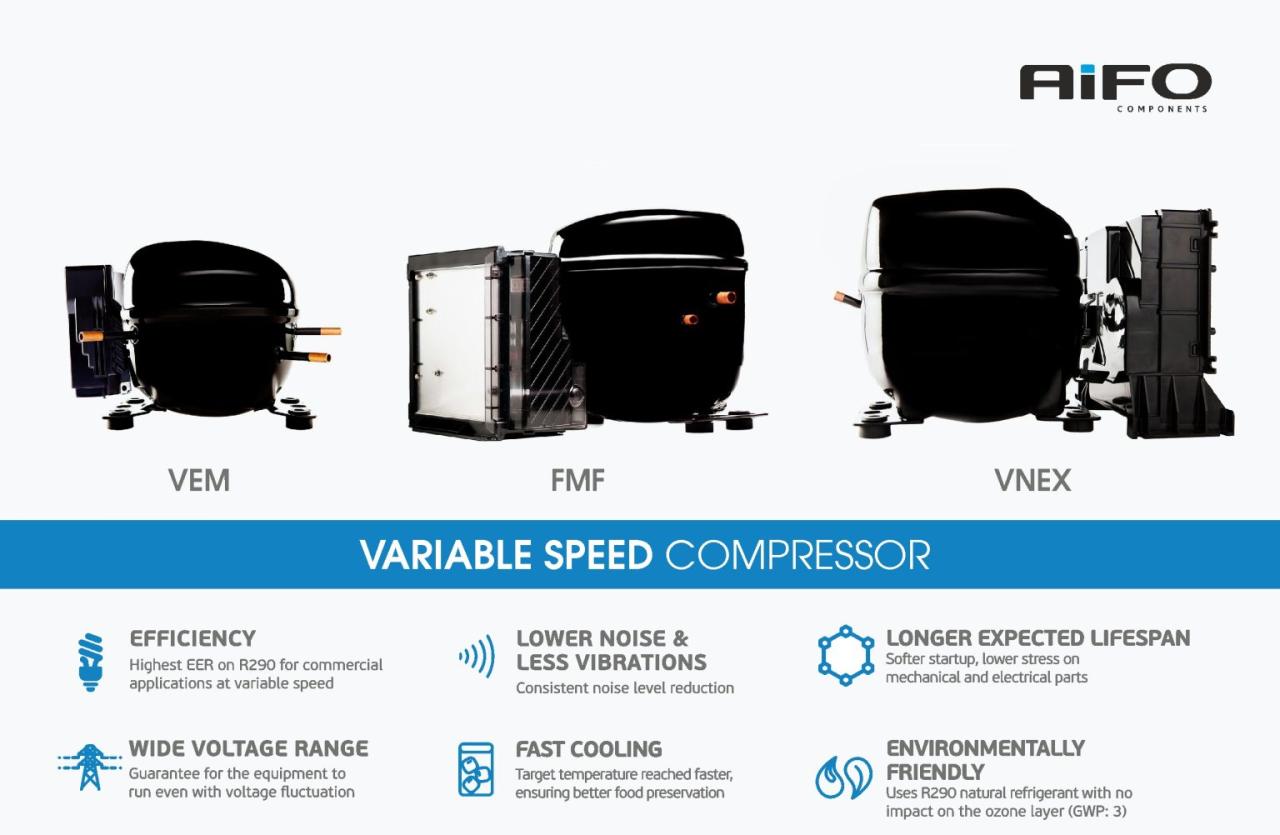
In residential HVAC systems, inverter compressors play a crucial role in regulating the cooling and heating processes. Unlike traditional compressors that operate at a fixed speed, inverter compressors can adjust their speed based on the demand for heating or cooling.
This results in more precise temperature control and energy efficiency.
Benefits of Inverter Technology
- Energy Efficiency: By varying the compressor speed, inverter technology can optimize energy consumption, leading to lower utility bills.
- Improved Comfort: The ability to adjust the speed allows for consistent temperature levels and reduces temperature fluctuations.
- Quieter Operation: Inverter compressors operate more quietly compared to traditional compressors, enhancing the overall comfort of the living space.
Popular Inverter Compressor Brands
| Brand | Features |
|---|---|
| Mitsubishi Electric | Known for their advanced inverter technology that provides precise temperature control and energy savings. |
| Daikin | Offers inverter compressors with high efficiency ratings and smart technology integration for enhanced performance. |
| LG | Provides inverter compressors with innovative features like dual inverter technology for improved energy efficiency. |
Operating Principle of Inverter Compressors
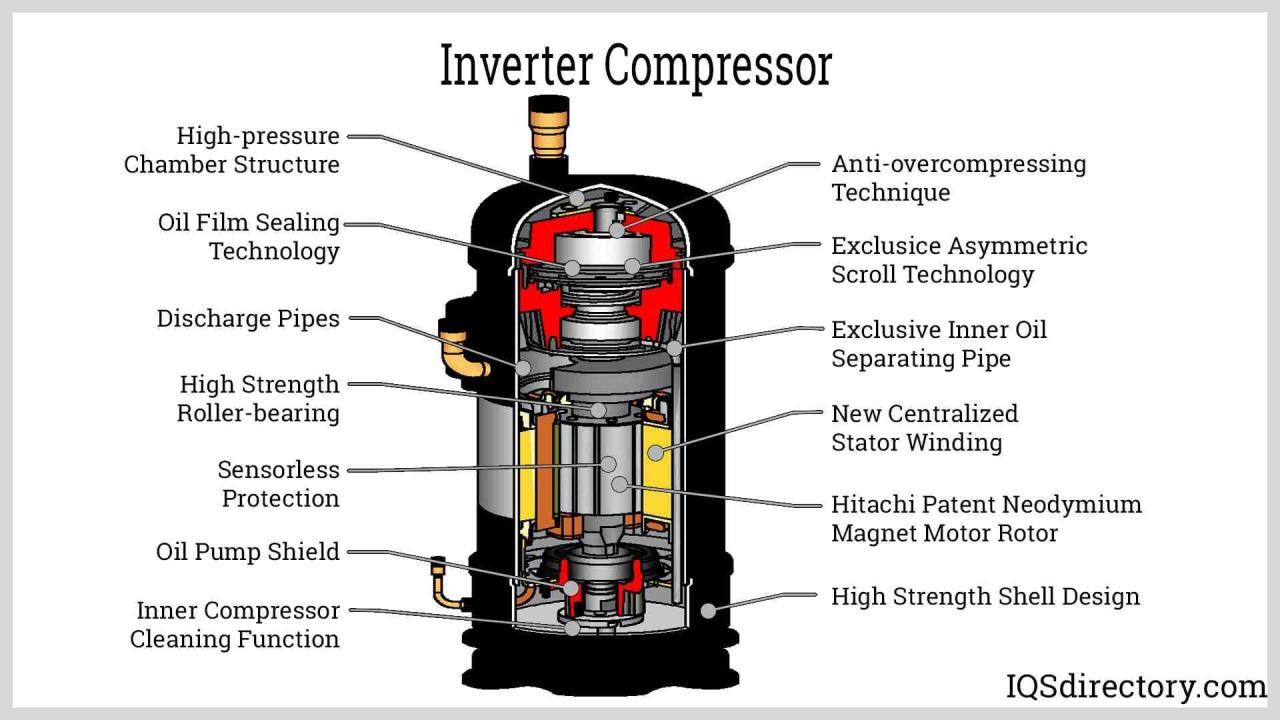
In HVAC systems, inverter compressors play a crucial role in ensuring efficient operation and maintaining a comfortable indoor environment. These compressors utilize advanced technology to regulate the speed of the compressor motor, adjust capacity based on cooling/heating demands, and ultimately improve energy efficiency.
Regulating Compressor Motor Speed
Inverter compressors use variable frequency drives (VFDs) to control the speed of the compressor motor. Unlike traditional compressors that operate at fixed speeds, inverter compressors can ramp up or slow down the motor speed based on the required cooling or heating load.
This dynamic control allows the system to operate more efficiently by matching the compressor output to the actual demand, reducing energy consumption and minimizing wasteful cycling.
Adjusting Capacity Based on Demands
One of the key advantages of inverter compressors is their ability to adjust capacity in response to changing cooling or heating demands. By modulating the compressor speed, these compressors can deliver precise amounts of conditioned air to maintain a consistent indoor temperature.
This not only improves comfort levels but also prevents energy wastage by avoiding unnecessary power consumption during low-demand periods.
Improving Energy Efficiency
Inverter compressors significantly enhance energy efficiency in HVAC systems by operating at varying speeds to match the required output. This flexibility allows the system to avoid inefficient on/off cycling, which can lead to energy spikes and reduced overall efficiency. By continuously adjusting the compressor speed and capacity, inverter compressors optimize energy usage, reduce operating costs, and contribute to a more sustainable and environmentally friendly operation of HVAC systems.
Components of Inverter Compressors
Inverter compressors consist of several key components that work together to regulate the speed and output of the compressor, providing more precise control over the cooling or heating process. Each component plays a crucial role in the overall operation of the inverter compressor system.
Key Components:
- Compressor: The heart of the system, the compressor is responsible for compressing the refrigerant gas to increase its temperature and pressure.
- Inverter Drive: This component controls the speed of the compressor motor, allowing it to vary based on the cooling or heating requirements.
- Heat Exchanger: Helps to transfer heat between the refrigerant and the surrounding air, facilitating the cooling or heating process.
- Expansion Valve: Regulates the flow of refrigerant into the evaporator coil, where it absorbs heat from the indoor air during cooling mode.
Role of Each Component:
- The compressor is crucial for increasing the refrigerant pressure and temperature, essential for the cooling or heating process.
- The inverter drive controls the speed of the compressor motor, ensuring energy efficiency and precise temperature control.
- The heat exchanger facilitates the transfer of heat, enabling the system to cool or heat the indoor space effectively.
- The expansion valve regulates the flow of refrigerant, ensuring optimal performance and efficiency of the system.
Advancements in Component Technology:
- Improved Compressor Design: Modern inverter compressors use advanced scroll or rotary compressors that are more efficient and durable compared to traditional reciprocating compressors.
- Enhanced Inverter Drives: The latest inverter drives have better control algorithms and communication capabilities, allowing for smoother operation and higher energy efficiency.
- Advanced Heat Exchanger Materials: Utilization of high-quality materials in heat exchangers improves heat transfer efficiency and overall system performance.
- Smart Expansion Valves: Some inverter systems incorporate smart expansion valves that can adjust refrigerant flow based on real-time conditions, optimizing system operation.
Maintenance and Troubleshooting of Inverter Compressors
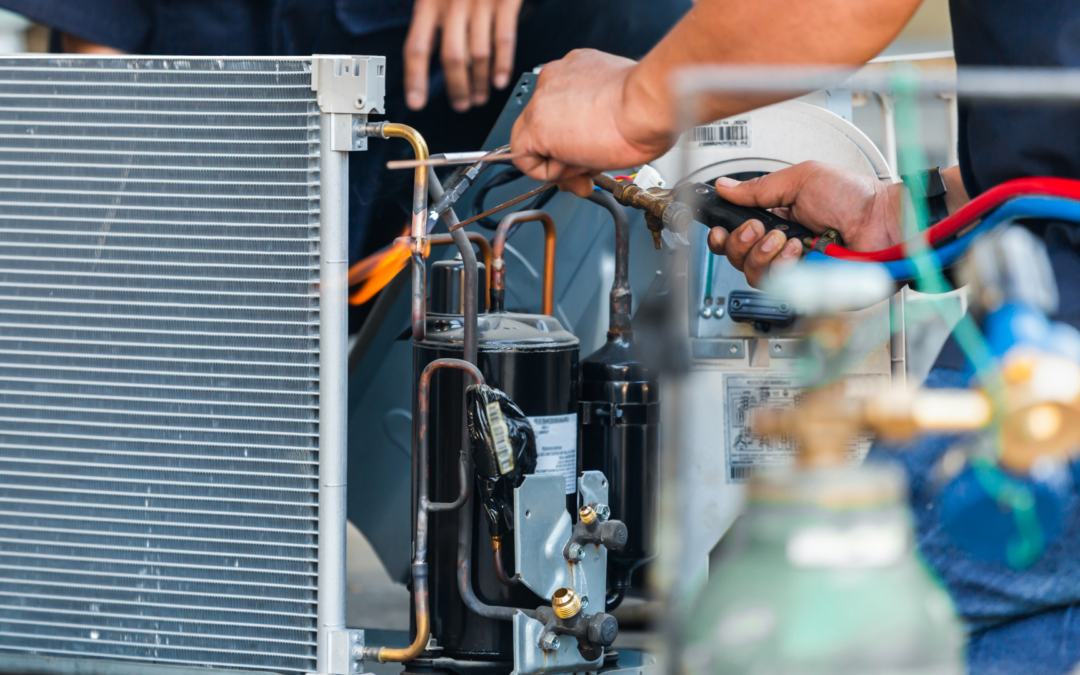
Regular maintenance of inverter compressors in residential HVAC systems is essential to ensure optimal performance and longevity. By following a few simple steps, you can keep your system running smoothly and efficiently. Here is a step-by-step guide for maintaining inverter compressors and common troubleshooting techniques.
Maintenance of Inverter Compressors
- Regularly clean the outdoor unit to remove dirt, debris, and leaves that can obstruct airflow and cause strain on the compressor.
- Check and replace air filters every 1-3 months to prevent dust and dirt buildup, which can reduce airflow and efficiency.
- Inspect the refrigerant levels and connections for any leaks, and ensure they are at the correct levels for optimal performance.
- Keep the indoor unit and vents clean to prevent blockages and ensure proper air circulation throughout the system.
Troubleshooting Inverter Compressors
- If the system is not cooling or heating properly, check for any error codes on the display panel and refer to the user manual for troubleshooting steps.
- Inspect the outdoor unit for any unusual sounds, vibrations, or leaks, as these can indicate potential issues with the compressor or other components.
- If the system is running continuously or cycling frequently, it could be a sign of a malfunctioning compressor or sensor, requiring professional inspection and repair.
- Ensure that the thermostat is set correctly and is functioning properly, as incorrect settings can affect the compressor's performance.
Importance of Regular Maintenance
Regular maintenance of inverter compressors not only ensures efficient operation but also helps extend the lifespan of the system. By addressing any issues promptly and keeping the system clean and well-maintained, you can avoid costly repairs and premature failures. Scheduled maintenance by a professional HVAC technician can also identify potential problems early on and prevent major breakdowns, saving you time and money in the long run.
General Inquiries
What are the main benefits of inverter technology in HVAC systems?
Inverter technology provides energy savings, precise temperature control, and quieter operation compared to traditional compressors.
How do inverter compressors improve energy efficiency in HVAC systems?
Inverter compressors adjust their speed based on cooling/heating demands, reducing energy consumption by avoiding frequent starts and stops.
What are the common maintenance practices to prolong the lifespan of inverter compressors?
Regular cleaning, checking refrigerant levels, and ensuring proper airflow are key maintenance tasks for inverter compressors.