Factors Affecting Vinyl Siding Installation Cost
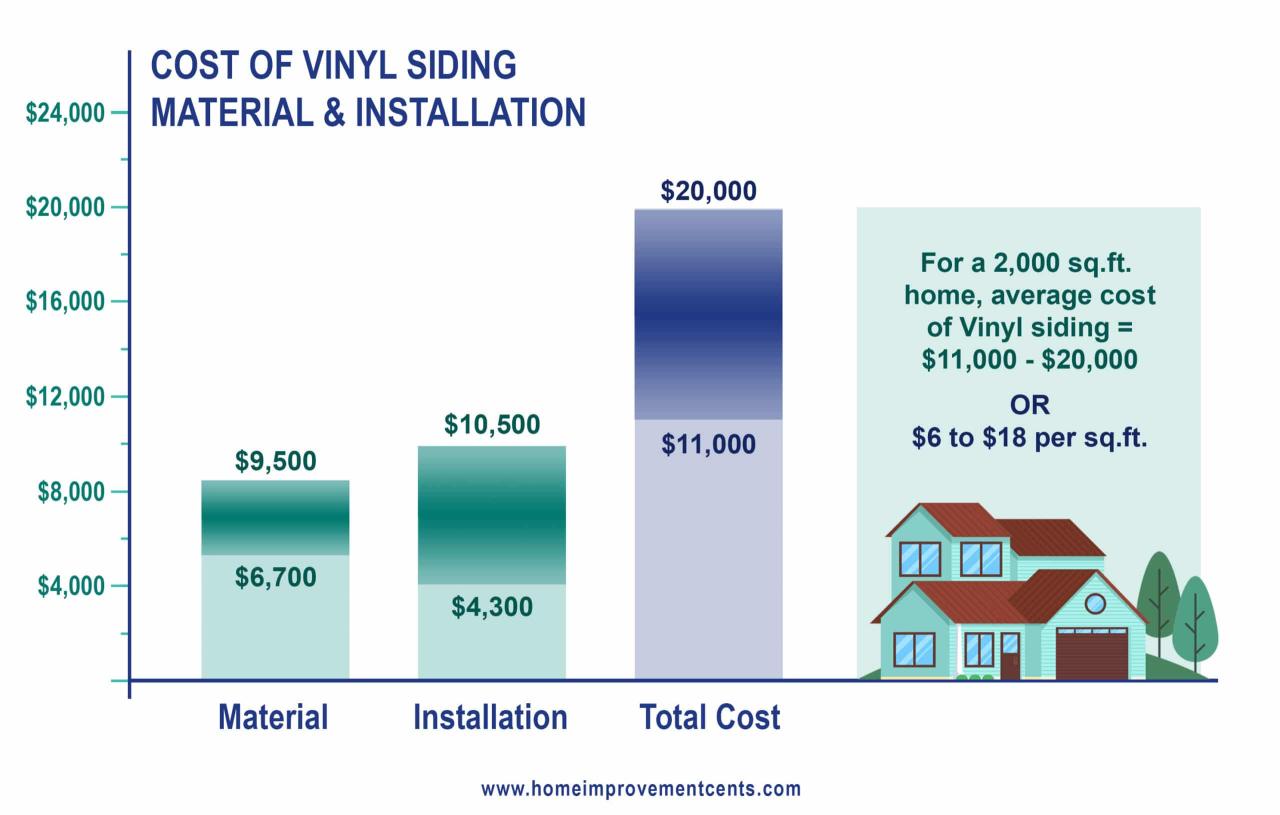
When it comes to the cost of vinyl siding installation, several key factors play a significant role in determining the overall expense. These factors include labor costs, location, project complexity, contractor experience, and material scarcity.
Labor Costs
Labor costs can vary widely depending on the location of the project, as labor rates differ from one region to another. In areas with a higher cost of living, labor costs are likely to be higher compared to regions with a lower cost of living.
Additionally, the complexity of the project can also impact labor costs. Projects that require intricate detailing or involve working on challenging surfaces may require more time and effort, thus increasing labor expenses. Moreover, the experience and skill level of the contractor can influence labor costs, as more experienced contractors may charge higher rates for their expertise.
Material Scarcity
Material scarcity can have a significant impact on the overall cost breakdown of vinyl siding installation. When certain materials used in vinyl siding become scarce due to supply chain disruptions, natural disasters, or increased demand, the cost of these materials can skyrocket.
This increase in material costs can ultimately drive up the overall cost of the installation project, making it more expensive for homeowners. Contractors may also adjust their pricing to account for the higher costs of materials, further contributing to the overall expense of the project.
Labor Costs vs. Material Costs
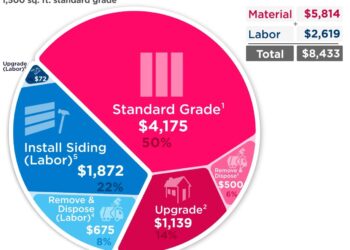
In a vinyl siding installation project, it is essential to distinguish between labor costs and material costs. Labor costs refer to the expenses associated with hiring professionals to perform the installation work, while material costs pertain to the price of the actual siding materials required for the project.
Labor-Intensive Tasks
- Removing old siding: This task involves the labor of removing existing siding from the exterior of the house before the new vinyl siding can be installed.
- Preparing the surface: Workers may need to repair or prepare the underlying surface of the house to ensure a smooth and even installation of the vinyl siding.
- Cutting and fitting: Cutting and fitting the vinyl siding panels to the specific measurements of the house requires precision and skill, adding to the labor costs.
- Installation of accessories: Tasks like installing corner posts, J-channels, and trim pieces are labor-intensive and contribute to the overall labor costs of the project.
Materials Required and Costs
- Vinyl siding panels: The main material, vinyl siding panels come in various styles and colors, with costs ranging from $1 to $8 per square foot.
- Insulation: Insulation materials are essential for energy efficiency and protection against moisture. Costs typically range from $0.50 to $1 per square foot.
- Fasteners and nails: These materials are used to securely attach the siding panels to the house. Costs vary but are usually priced at around $20 to $50 per box.
- Trim pieces and accessories: Additional materials like trim pieces, corner posts, and other accessories are needed to complete the vinyl siding installation. Their costs depend on the type and quantity required.
Labor Scarcity Challenges in 2026
Labor scarcity continues to be a significant challenge in the construction industry, impacting the costs of vinyl siding installation. The shortage of skilled laborers has led to increased wages, longer project timelines, and overall higher expenses for homeowners.One of the primary reasons for labor scarcity is the aging workforce in the construction industry.
As older workers retire, there are not enough younger workers entering the field to replace them. This imbalance has created a gap in skilled labor availability, leading to increased competition among construction companies for qualified workers
The focus on college education as the primary path to success has contributed to a lack of interest in skilled labor professions, further exacerbating the labor shortage issue.To overcome labor scarcity challenges in 2026, construction companies can implement several strategies.
Investing in training programs to upskill existing workers, partnering with vocational schools to attract new talent, and offering competitive wages and benefits can help attract and retain skilled laborers. Embracing technology and automation in construction processes can also help mitigate the impact of labor shortages on project timelines and costs.
Strategies for Overcoming Labor Scarcity Challenges
- Implement training programs to upskill existing workers and fill the skills gap.
- Partner with vocational schools to attract and train new talent in the construction industry.
- Offer competitive wages, benefits, and incentives to retain skilled laborers.
- Embrace technology and automation in construction processes to increase efficiency and productivity.
Future Trends in Material Scarcity
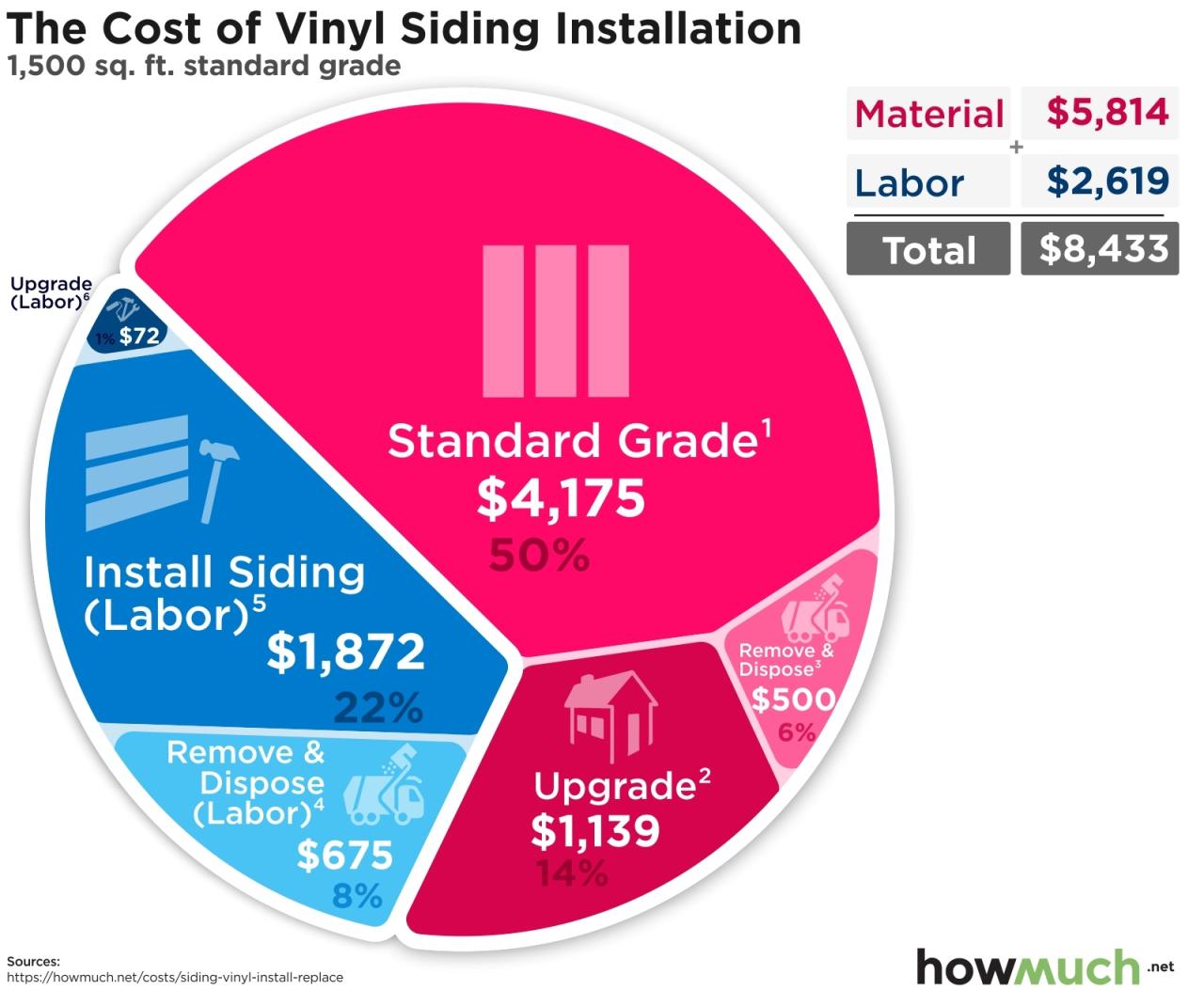
The future trends in material scarcity, especially concerning vinyl siding installation, are crucial to understand as they can significantly impact project costs and timelines. As we look ahead, it is essential to predict how material scarcity might evolve in the coming years and explore potential solutions to mitigate these challenges.Global supply chain disruptions have increasingly affected the availability of vinyl siding materials.
Factors such as natural disasters, trade conflicts, and transportation issues have all contributed to delays in material delivery. These disruptions have led to fluctuations in material prices and availability, making it challenging for contractors and homeowners to plan and budget effectively.
Innovative Solutions and Alternatives
In response to material scarcity challenges, the construction industry has been exploring innovative solutions and alternatives to combat these issues. Some of the strategies being considered include:
- Investing in sustainable materials: Switching to more sustainable and readily available materials can help reduce reliance on scarce resources.
- Utilizing prefabricated components: Prefabrication can streamline the construction process and reduce the need for extensive on-site material storage.
- Exploring alternative siding options: Considering other siding materials that are more abundant and cost-effective can provide flexibility in design choices.
- Implementing advanced inventory management systems: Leveraging technology to track and manage material inventory can improve supply chain efficiency and reduce waste.
By embracing these innovative solutions and alternatives, the construction industry can adapt to evolving material scarcity trends and mitigate the cost implications associated with vinyl siding installation.
FAQs
What are the key factors influencing vinyl siding installation costs?
Factors such as location, project complexity, and contractor experience play significant roles in determining the overall cost of vinyl siding installation.
How does labor scarcity impact vinyl siding installation costs?
Labor scarcity can lead to delays, increased project expenses, and potential compromises in work quality, affecting the overall cost breakdown of vinyl siding installation.
What are some strategies to overcome labor scarcity challenges in 2026?
Implementing training programs, offering competitive wages, and fostering partnerships with vocational schools are potential strategies to address labor scarcity issues in the construction industry.
How might material scarcity trends evolve in the future?
Global supply chain disruptions and increased demand for materials may exacerbate material scarcity in the future, prompting the need for innovative solutions to combat these challenges.