Diving into the realm of AC maintenance cost, this introduction sets the stage for an in-depth exploration of the topic. Understanding the financial aspects of maintaining your AC system is crucial for homeowners looking to keep their homes comfortable and energy-efficient.
Let’s unravel the complexities of AC maintenance costs and discover practical strategies to optimize your budget while ensuring your AC unit’s performance remains top-notch.
In the following paragraphs, we will delve into the various factors influencing AC maintenance costs, different types of maintenance services, the debate between DIY and professional maintenance, and effective strategies for reducing expenses.
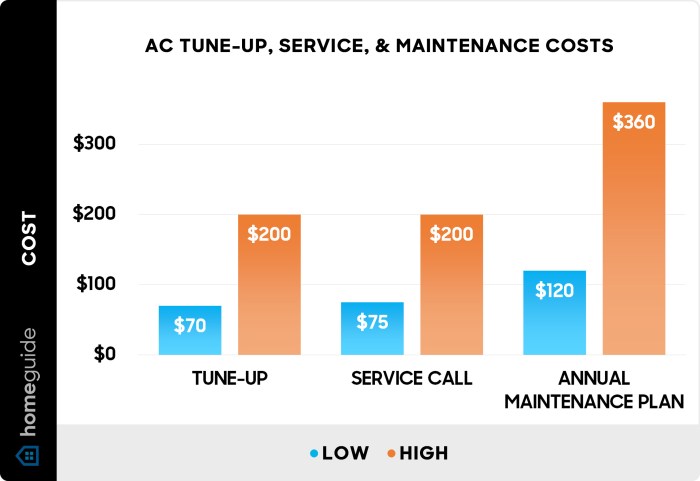
AC maintenance cost refers to the expenses associated with regular upkeep and servicing of an air conditioning system to ensure its optimal performance and longevity.
Understanding AC maintenance cost is crucial for homeowners as it helps in budgeting for routine maintenance and repairs, preventing unexpected breakdowns, and extending the lifespan of the AC unit.
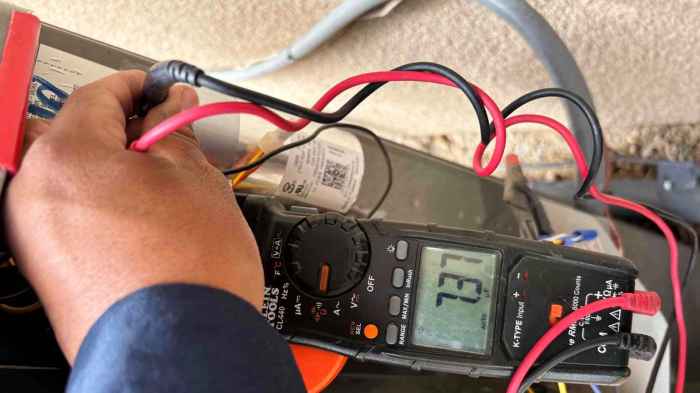
When it comes to the maintenance cost of an AC unit, several factors can influence the overall expenses. Understanding these factors can help homeowners budget effectively and plan for the upkeep of their cooling system.
The age of the AC unit plays a significant role in determining maintenance costs. Older units tend to require more frequent repairs and part replacements, which can add up over time. As AC systems age, they may also become less energy-efficient, leading to higher utility bills.
Regular maintenance becomes crucial for older units to ensure they continue to operate efficiently and avoid costly breakdowns.
Regular maintenance is key to reducing long-term AC maintenance costs. By scheduling annual tune-ups and inspections, homeowners can catch potential issues early before they escalate into major problems. Routine maintenance also helps keep the unit running efficiently, which can lower energy bills and extend the lifespan of the AC system.
Investing in regular maintenance can ultimately save money by avoiding expensive repairs or premature replacement of the unit.
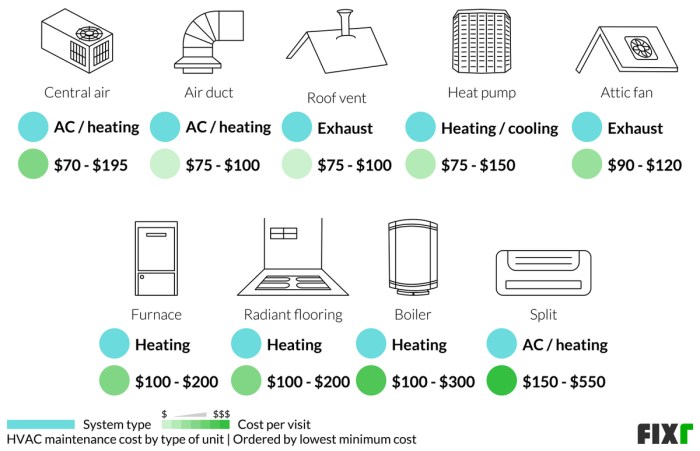
When it comes to maintaining your AC unit, there are several types of maintenance services that are typically required to ensure its optimal performance and longevity.
Regular cleaning and filter replacement are essential maintenance tasks that help to keep your AC unit running efficiently. By removing dirt, dust, and other debris from the system, you can prevent clogs and improve air quality in your home. This type of maintenance service is relatively low-cost but can have a significant impact on the overall performance of your AC unit.
Cleaning the coils of your AC unit is crucial to maintaining its efficiency. Over time, dirt and debris can build up on the coils, reducing the unit’s ability to cool the air effectively. By regularly cleaning the coils, you can ensure that your AC unit continues to operate efficiently, reducing energy costs and prolonging the lifespan of the system.
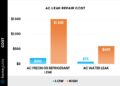
Checking the refrigerant levels in your AC unit is important for maintaining optimal performance. Low refrigerant levels can lead to reduced cooling capacity and increased energy consumption. By regularly checking and refilling the refrigerant, you can ensure that your AC unit operates at peak efficiency, saving you money on energy costs in the long run.
Having a professional HVAC technician perform a tune-up on your AC unit is a more comprehensive maintenance service that can help to identify and address any potential issues before they become major problems. While this type of maintenance service may have a higher upfront cost, it can ultimately save you money by preventing costly repairs down the line.
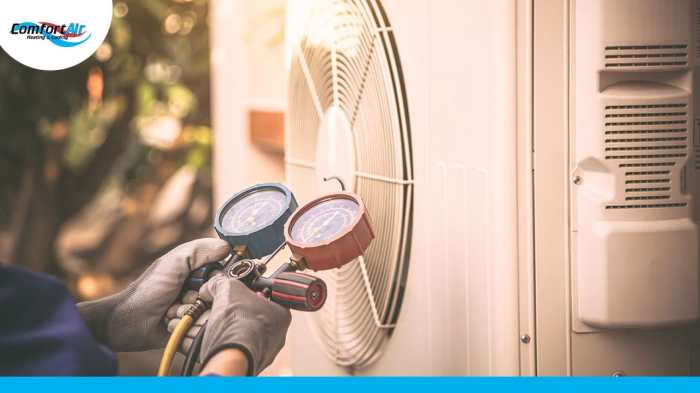
When it comes to maintaining your AC system, you have the option to either do it yourself (DIY) or hire a professional. Let’s explore the cost-effectiveness of each approach and when it’s best to choose one over the other.
DIY maintenance tasks can be a cost-effective way to keep your AC system running smoothly. Simple tasks that homeowners can do themselves include:
While DIY maintenance can save you money, there are situations where professional maintenance is necessary despite the higher cost. Examples include:
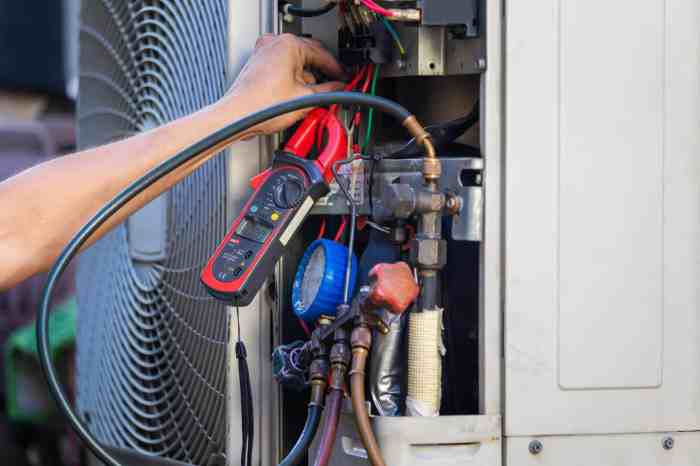
Reducing AC maintenance costs is essential for homeowners looking to save money in the long run. By following some simple strategies, you can minimize expenses while ensuring your AC unit functions efficiently.
One of the easiest and most cost-effective ways to reduce AC maintenance costs is by regularly cleaning or replacing the air filters. Clogged filters can reduce airflow, making your AC work harder and increasing the risk of breakdowns.
Investing in annual professional maintenance for your AC unit can help identify potential issues before they become major problems. This preventive approach can lower overall maintenance costs by addressing small issues early on.
Setting your thermostat to an optimal temperature can reduce the workload on your AC unit, leading to lower energy consumption and decreased wear and tear. By maintaining moderate temperature settings, you can extend the lifespan of your AC system and minimize maintenance costs.
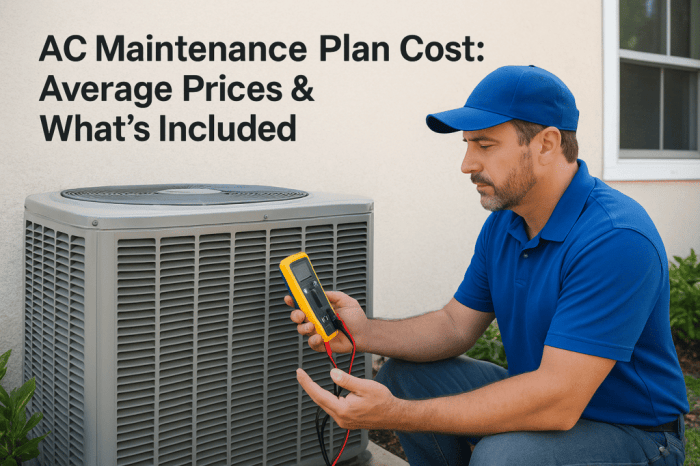
In conclusion, managing AC maintenance costs doesn’t have to be daunting. By grasping the key components discussed in this guide and implementing proactive measures, homeowners can navigate the realm of AC maintenance expenses with confidence and ease. Remember, a well-maintained AC system not only saves you money in the long run but also ensures your indoor comfort remains uninterrupted.
What are some common factors that contribute to AC maintenance costs?
Factors such as the age of the AC unit, frequency of maintenance, extent of repairs needed, and the type of maintenance services required can all impact AC maintenance costs.
Is regular maintenance really necessary to reduce long-term AC maintenance expenses?
Absolutely. Regular maintenance helps in identifying minor issues before they escalate into major problems, thereby reducing the need for costly repairs and prolonging the lifespan of your AC unit.
What are some budget-friendly ways to ensure optimal AC unit performance?
Simple tasks like regularly changing air filters, cleaning the unit and its surroundings, and adjusting the thermostat can all contribute to efficient AC operation and reduce maintenance costs in the long term.