Exploring the intricacies of air conditioner replacement cost, this comprehensive guide delves into the various factors influencing prices, average cost breakdowns, installation options, and cost-saving tips.
Delve deeper into the specifics of air conditioner replacement costs to make informed decisions for your home.
When considering the cost of replacing an air conditioner, several factors come into play that can influence the overall price. Understanding these factors can help homeowners make informed decisions when investing in a new cooling system.
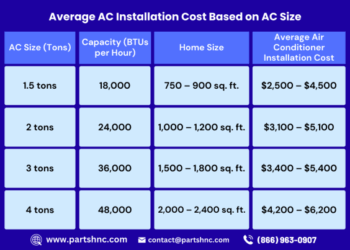
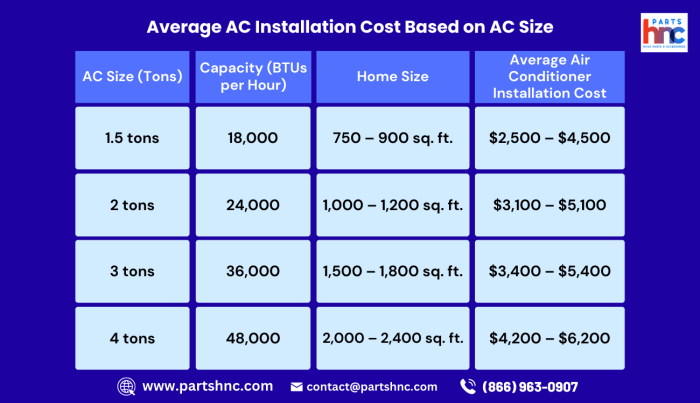
The size of the air conditioner unit needed for your space will have a significant impact on the replacement cost. A larger unit with higher cooling capacity will generally cost more than a smaller unit. It is essential to have a professional assess the size requirements accurately to avoid overspending on a unit that is too large or too small for your space.
The type of air conditioning system you choose will also affect the replacement cost. For example, a ductless mini-split system may cost more upfront but can lead to savings in the long run due to increased energy efficiency. On the other hand, a central air conditioning system may have a lower initial cost but higher long-term operational expenses.
The complexity of the installation process can impact the overall cost of replacing an air conditioner. Factors such as the layout of your home, existing ductwork, and any necessary modifications can add to the total cost. It is essential to consider these factors when budgeting for a new air conditioning system.
The location of your home can also influence the replacement cost of an air conditioner. Factors such as local climate, accessibility for installation, and regional labor rates can all play a role in determining the final price. Additionally, permit requirements and zoning regulations may affect the overall cost of the installation.
Other factors that can contribute to variations in air conditioner replacement cost include energy efficiency ratings, brand reputation, and warranty coverage. A higher efficiency rating may result in a higher upfront cost but lead to long-term savings on energy bills.
Choosing a reputable brand known for quality products and reliable customer service may also impact the price. Additionally, the extent of warranty coverage provided by the manufacturer can affect the overall cost of replacing an air conditioner.
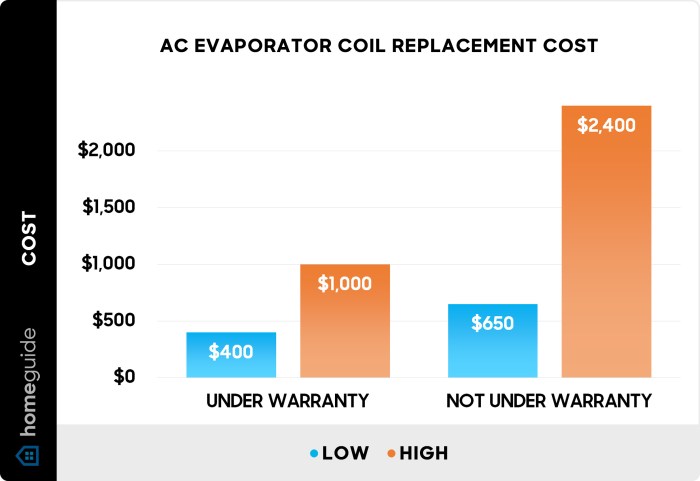
Replacing an air conditioner involves various costs that contribute to the overall price. Understanding the breakdown of these costs can help homeowners budget effectively for this essential home improvement project.
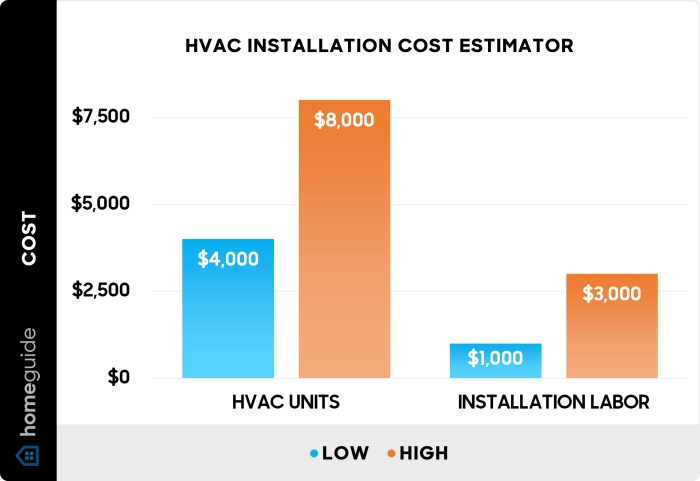
The cost of the air conditioning unit itself is a significant factor in the overall replacement cost. Prices for air conditioners can vary widely depending on the brand, size, and efficiency rating. On average, homeowners can expect to pay between $3,000 to $7,000 for a new air conditioning unit.
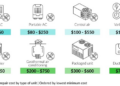
In addition to the unit price, installation costs also play a crucial role in determining the total expense of replacing an air conditioner. Installation costs typically range from $1,000 to $3,000, depending on the complexity of the installation and any additional work required.
Labor expenses cover the cost of hiring professionals to install the new air conditioner. The labor costs can vary based on the contractor’s rates and the amount of time required for the installation. On average, homeowners can expect to pay between $500 to $2,000 in labor expenses.
There may be additional fees associated with replacing an air conditioner, such as permit costs, disposal fees for the old unit, or any necessary modifications to the existing ductwork. These additional fees can add anywhere from $200 to $1,000 to the total replacement cost.
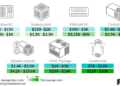
Different types of air conditioning systems, such as central air conditioning, ductless mini-split, or window units, come with varying costs. Central air conditioning systems tend to be the most expensive, with an average replacement cost ranging from $5,000 to $10,000.
Ductless mini-split systems typically cost between $3,000 to $7,000, while window units are more budget-friendly, ranging from $500 to $2,500.
The average cost of replacing an air conditioner can also vary based on the region or state where the installation takes place. For example, homeowners in high-cost-of-living areas or regions with extreme weather conditions may expect to pay more for a new air conditioning system.
On average, the replacement cost can range from $4,000 to $8,000 in most regions, with potential cost discrepancies of up to $2,000 based on location.
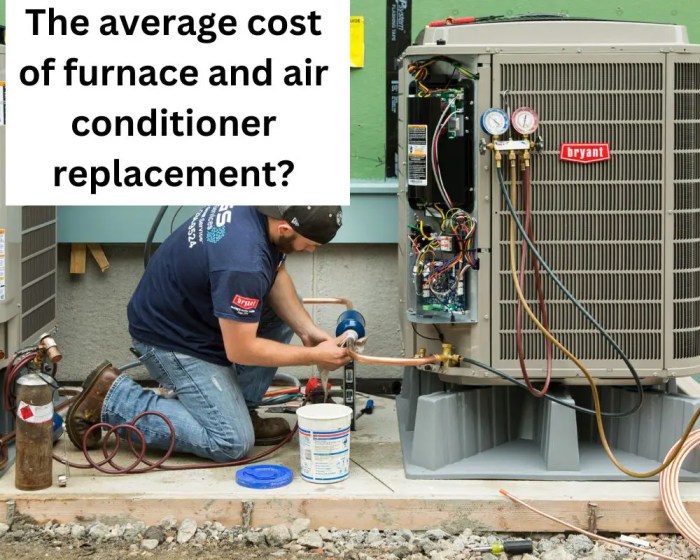
When it comes to replacing an air conditioner, homeowners often face the decision of whether to opt for professional installation or take on the task themselves. Let’s explore the costs and considerations of both options to help you make an informed choice.
When considering DIY versus professional installation costs, it’s essential to factor in the expenses involved. While opting for a DIY approach may seem cost-effective initially, it’s crucial to consider potential additional costs that may arise if mistakes are made during the installation process.
On the other hand, professional installation comes with a higher upfront cost but provides the assurance of a job done correctly.
Professional installers have the expertise and experience to ensure that your air conditioner is installed correctly and efficiently. DIY installation, on the other hand, may lack the precision and knowledge that professionals bring to the table, potentially leading to performance issues or inefficiencies in the long run.
Another critical factor to consider is warranty coverage. Most manufacturers require professional installation to validate the warranty on your new air conditioner. Opting for DIY installation may void the warranty, leaving you liable for any repair or replacement costs in the future.
DIY installation poses certain risks, including potential damage to the new unit, safety hazards, and improper installation that could compromise the system’s performance. Professional installers are trained to handle these risks effectively, ensuring a smooth and safe installation process.
When looking to replace your air conditioner, there are several strategies homeowners can employ to lower the overall cost and maximize savings.
In conclusion, understanding the nuances of air conditioner replacement costs can help homeowners navigate through the process with clarity and confidence. Make informed choices and optimize your cooling system efficiently.
What factors can influence air conditioner replacement costs?
Factors like unit size, system type, installation complexity, location, and energy efficiency ratings can impact the overall cost.
What is the average cost breakdown for air conditioner replacement?
The breakdown includes unit price, installation costs, labor expenses, and additional fees. Costs vary based on the type of system and region.
Is DIY air conditioner replacement cost-effective?
DIY installations may reduce costs, but professional installations offer advantages like quality assurance and warranty coverage.
How can homeowners reduce air conditioner replacement costs?
Homeowners can lower costs by improving energy efficiency, choosing cost-effective units, seeking rebates, and maintaining their systems regularly.