AC replacement cost sets the stage for this enthralling narrative, offering readers a glimpse into a story that is rich in detail and brimming with originality from the outset. From understanding the factors influencing costs to exploring different types of AC units and cost breakdowns, this topic delves deep into the world of air conditioning replacements.
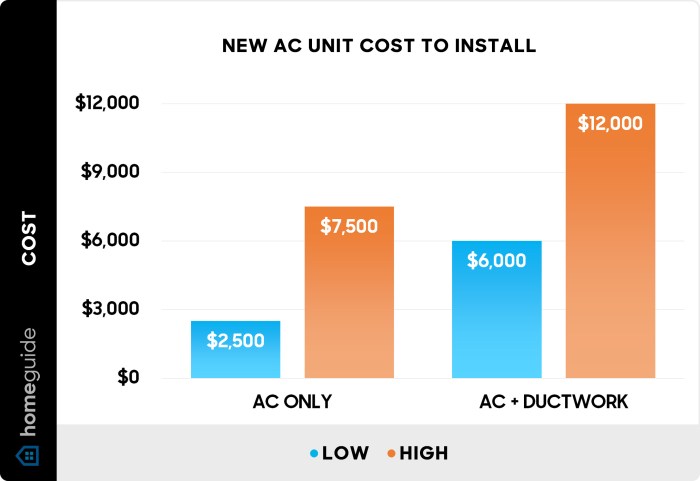
When it comes to replacing an air conditioning unit, several key factors can significantly influence the overall cost of the project. Understanding these factors is crucial for homeowners looking to budget for a new AC installation.
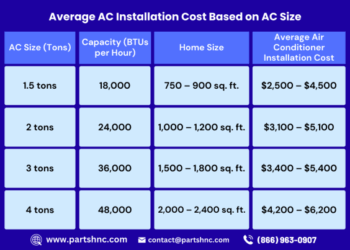
The size of the air conditioning unit is a major determinant of the replacement cost. Larger units tend to be more expensive to purchase and install compared to smaller units. Additionally, the size of the unit can impact the complexity of the installation process, affecting labor costs as well.
The complexity of the installation plays a significant role in determining the overall cost of replacing an AC unit. Factors such as the location of the unit, accessibility, and any modifications needed for installation can all contribute to higher installation costs.
For example, if the unit needs to be installed in a hard-to-reach area or requires additional ductwork, the installation process can become more labor-intensive and costly.
Energy efficiency ratings of the air conditioning unit can also impact the replacement cost. While more energy-efficient units may come with a higher upfront cost, they can result in long-term savings on energy bills. Homeowners should consider the long-term benefits of investing in a more energy-efficient unit, as it can lead to lower utility costs over time.
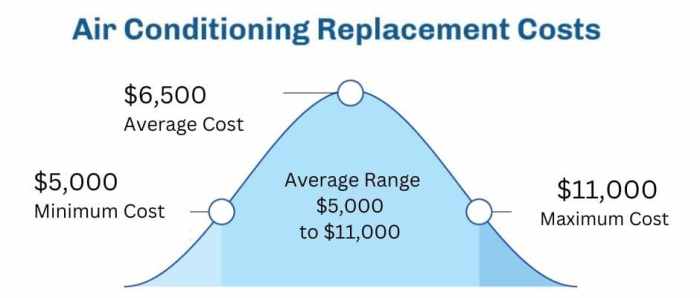
When it comes to replacing an air conditioning unit, there are several types to consider, each with its own cost variations. Understanding the differences in cost and features can help you make an informed decision that fits your budget and needs.
Central air conditioning systems are a popular choice for larger homes or buildings. These systems use ductwork to distribute cool air throughout the space, providing consistent temperature control. The cost of replacing a central air conditioning unit can vary depending on factors such as the size of the unit, installation complexity, and energy efficiency rating.
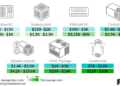
On average, the cost of replacing a central air conditioning unit can range from $3,000 to $7,000 or more.
Ductless mini-split systems offer a flexible and efficient cooling solution for homes without existing ductwork. These systems consist of an outdoor compressor unit and one or more indoor air handlers, allowing for zoned cooling. The cost of replacing a ductless mini-split system can vary based on the number of indoor units needed, brand, and installation requirements.
On average, the cost of replacing a ductless mini-split system ranges from $3,000 to $10,000 or more.
Window air conditioning units are a more affordable option for cooling individual rooms or small spaces. These units are easy to install and are a cost-effective solution for those on a budget. The cost of replacing a window unit is generally lower compared to central air or ductless systems, ranging from $200 to $600 on average.When considering the replacement cost of an air conditioning unit, factors such as energy efficiency, brand reputation, and additional features like smart thermostats or variable-speed compressors can impact the overall price.
It’s essential to weigh the upfront cost against long-term energy savings and performance to choose the best option for your home.
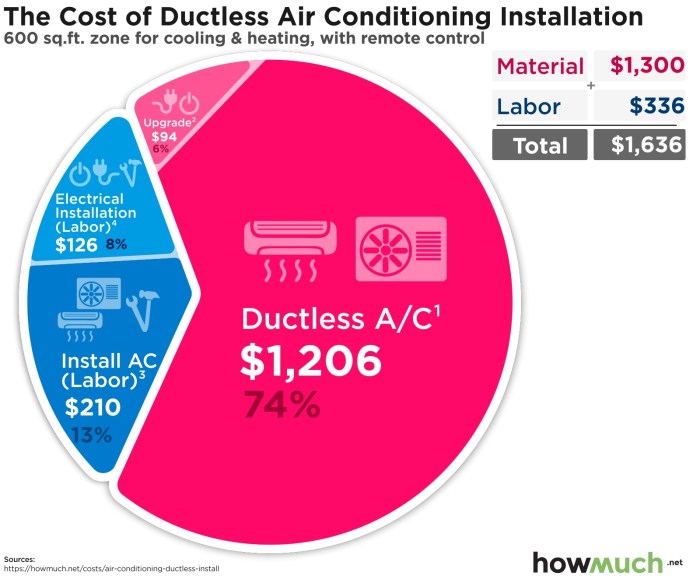
Replacing an air conditioning unit can be a significant investment, and it’s essential to understand the breakdown of costs involved to budget effectively.
When replacing an AC unit, the cost of the unit itself is a major factor. The price can vary depending on the brand, size, and efficiency rating of the unit. Higher efficiency units may come with a higher price tag but can save you money on energy bills in the long run.
In addition to the cost of the unit, you will also need to consider installation fees. These fees can vary based on the complexity of the installation, the size of the unit, and any additional components that need to be installed.
Labor costs are another significant expense when replacing an AC unit. The cost of labor can vary depending on the contractor’s rates, experience, and location. It’s essential to get quotes from multiple contractors to ensure you’re getting a fair price.
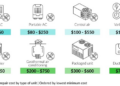
There may be additional expenses to consider when replacing an AC unit, such as the cost of removing the old unit, any necessary upgrades to your electrical system, or permits required for installation. These additional expenses can add up, so it’s crucial to factor them into your budget.
Factors like your location, the time of year, and contractor rates can all influence the overall cost breakdown of replacing an AC unit. For example, contractors may be busier during peak seasons, leading to higher labor costs. Additionally, labor rates can vary significantly depending on where you are located.
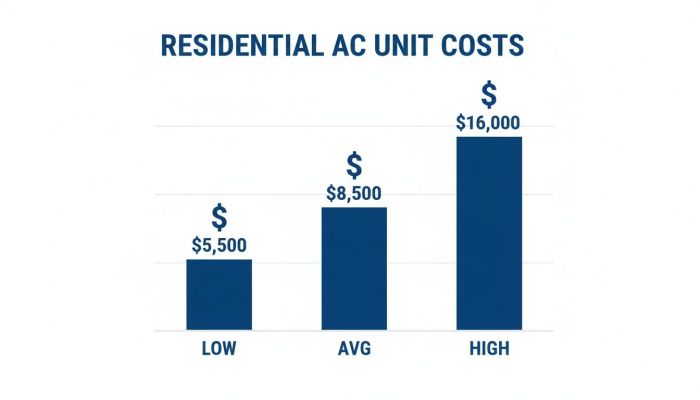
Regular maintenance, energy-efficient upgrades, and proper installation are key factors that can help homeowners reduce the cost of replacing their air conditioning unit. By implementing these strategies, homeowners can ensure their AC system operates efficiently and lasts longer, ultimately saving money in the long run.
Regular maintenance of your air conditioning unit can help prolong its lifespan and prevent costly repairs or replacements. It is essential to schedule annual maintenance checks with a professional HVAC technician to ensure that your AC unit is running smoothly.
By addressing minor issues early on, you can avoid major breakdowns that may require a full replacement.
Investing in energy-efficient upgrades for your air conditioning unit can significantly reduce your energy bills and lower the overall cost of replacement. Consider installing a programmable thermostat, upgrading to a high-efficiency air filter, or adding insulation to your home to improve energy efficiency.
These upgrades not only save you money on energy costs but also extend the lifespan of your AC unit.
Proper installation of your air conditioning unit is crucial to its performance and longevity. Hiring a professional HVAC technician to install your new AC system ensures that it is done correctly the first time, preventing costly repairs or replacements down the line.
Improper installation can lead to inefficiencies and premature wear and tear on the unit, resulting in higher replacement costs.
Explore financing options, rebates, and incentives available for AC replacements to make the process more affordable. Many utility companies offer rebates for energy-efficient upgrades, while manufacturers may provide incentives for purchasing high-efficiency AC units. Additionally, consider financing options such as low-interest loans or payment plans to spread out the cost of replacement over time.
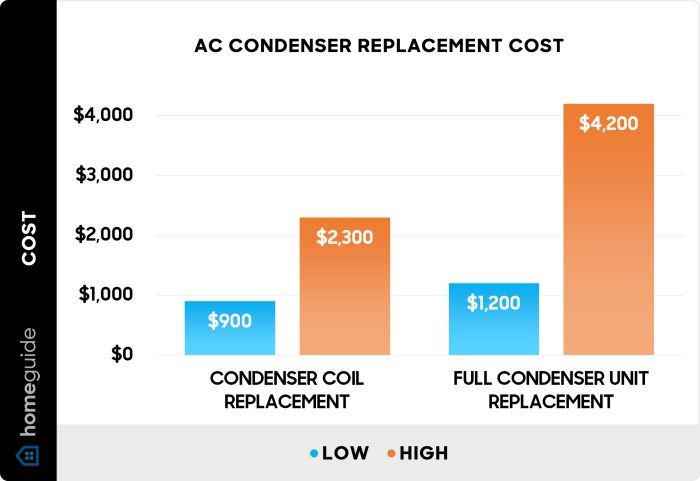
As we conclude our discussion on AC replacement cost, it’s evident that the financial aspect of replacing an air conditioning unit is multifaceted. By considering the key factors, types of units, cost breakdowns, and strategies to reduce expenses, homeowners can make informed decisions when it comes to AC replacements.
What are the key factors influencing AC replacement cost?
The size of the unit, installation complexity, and energy efficiency ratings can all impact the overall cost of replacing an air conditioning unit.
What types of AC units are available for replacement?
Central air, ductless mini-split, and window units are some of the different types of air conditioning units available for replacement.
How can homeowners reduce AC replacement costs?
Regular maintenance, energy-efficient upgrades, and proper installation are effective strategies to lower the cost of replacing an air conditioning unit.