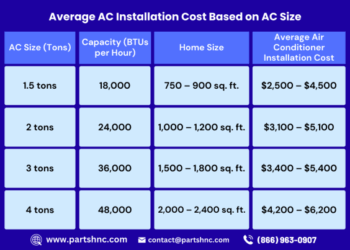
HVAC installation cost sets the stage for this enthralling narrative, offering readers a glimpse into a story that is rich in detail and brimming with originality. From factors influencing the cost to the breakdown of installation expenses, this discussion delves deep into the world of HVAC installation costs.
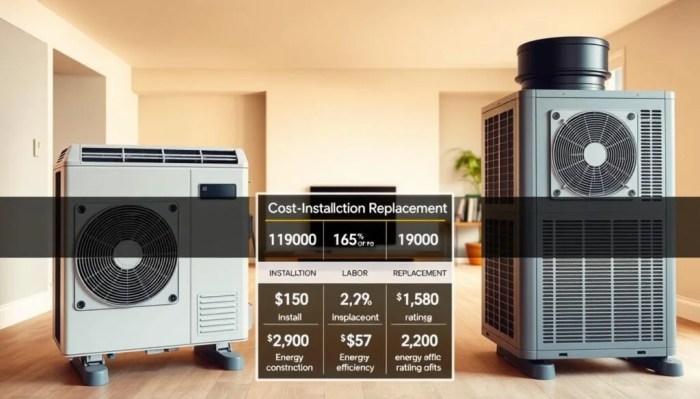
When it comes to the cost of HVAC installation, several factors come into play that can significantly impact the overall price. From the size of the property to specific energy efficiency requirements, various elements contribute to determining how much you will need to invest in your HVAC system.
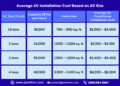
The size of the property plays a crucial role in determining the cost of HVAC installation. Larger properties generally require more extensive systems with higher capacity to ensure adequate heating and cooling throughout the space. This means that installation costs for HVAC systems in larger properties will be higher compared to smaller properties.
Energy efficiency standards and requirements set by regulatory bodies can also influence the cost of HVAC installation. Systems that meet higher energy efficiency standards may come at a higher initial cost but can result in long-term savings on energy bills.
Investing in a more energy-efficient HVAC system upfront can lead to lower operating costs over time.
The inclusion of additional features or customizations in your HVAC system can also impact the installation cost. For example, features such as zoning systems, programmable thermostats, or advanced air filtration systems can add to the overall cost of installation. Customizations tailored to specific needs or preferences may require additional labor and materials, leading to increased installation expenses.
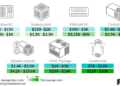
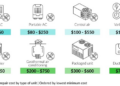
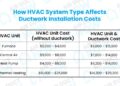
Heating, ventilation, and air conditioning (HVAC) systems come in various types, each with its own unique features and installation costs. Understanding the differences can help homeowners make informed decisions when it comes to upgrading or installing a new HVAC system.
Central air conditioning systems are popular for cooling entire homes efficiently. The installation of a central AC system involves ductwork and can be more complex compared to other types of HVAC systems.
Heat pumps are versatile systems that provide both heating and cooling functions. They are energy-efficient and can be a cost-effective option for homeowners.
Ductless mini-split systems offer flexibility and zoning control, making them ideal for homes without ductwork or room additions.
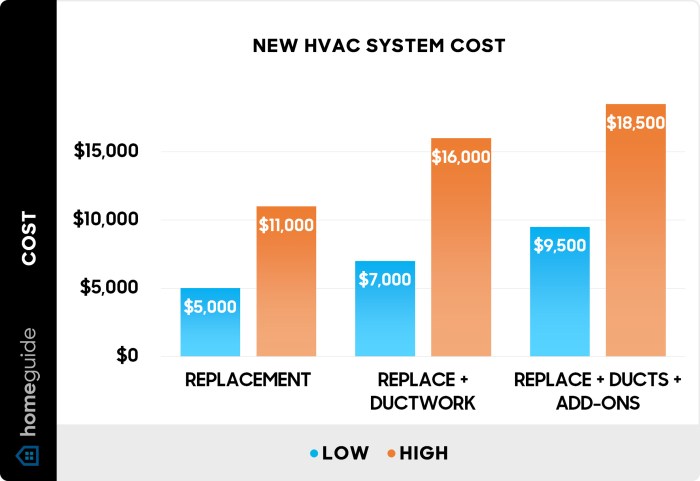
When it comes to HVAC installation, there are several costs involved that contribute to the overall expense. Let’s break down these costs to understand how each component impacts the total installation cost.
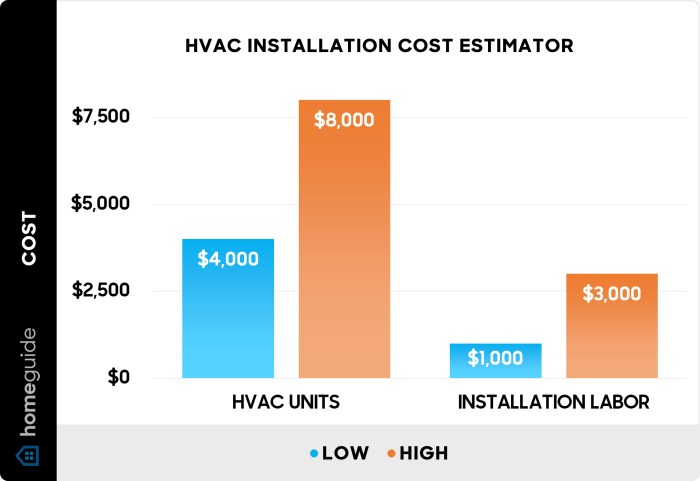
The equipment costs for HVAC installation typically include the price of the heating and cooling units themselves, as well as any additional components such as thermostats, air filters, and ductwork. These costs can vary depending on the brand, size, and efficiency of the equipment chosen.
It is essential to invest in high-quality equipment to ensure optimal performance and longevity of your HVAC system.
Installation labor costs cover the expenses associated with hiring professional HVAC technicians to install the system. This includes the cost of labor, transportation, and any additional services required during the installation process. Labor costs can vary based on the complexity of the installation, the size of the system, and the location of the property.
It is crucial to hire experienced professionals to ensure the installation is done correctly and efficiently.
Permit and inspection fees are often required for HVAC installations to ensure compliance with building codes and regulations. These fees can vary depending on the location of the property and the type of system being installed. It is essential to factor in these costs when budgeting for your HVAC installation to avoid any legal issues or delays in the process.
In addition to equipment, labor, and permit costs, there may be other miscellaneous expenses involved in HVAC installation. These can include costs for disposing of old equipment, upgrading electrical systems, or making any necessary repairs or modifications to the property.
It is essential to account for these additional expenses to avoid any unexpected costs during the installation process.By understanding the breakdown of costs involved in HVAC installation, you can better prepare for the expenses associated with installing a new heating and cooling system in your home or commercial property.
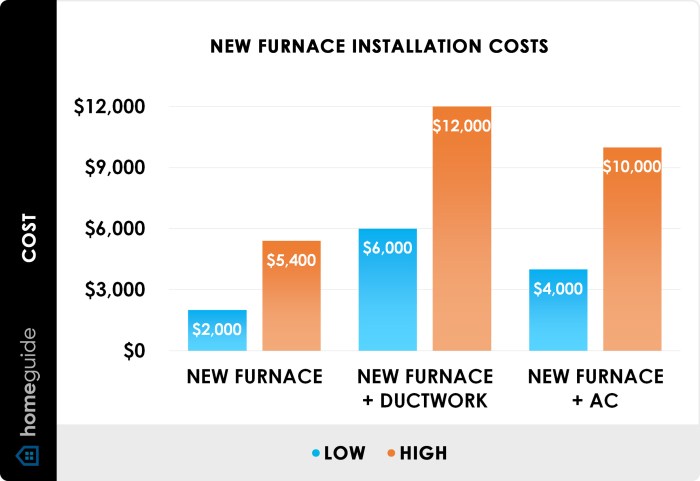
When it comes to HVAC installation costs, there are several strategies homeowners can follow to lower expenses without compromising on quality. Regular maintenance, energy-efficient upgrades, proper sizing, and installation practices are key factors to consider.
Regular maintenance of your HVAC system can help reduce the risk of breakdowns and costly repairs. By scheduling annual tune-ups and changing air filters regularly, you can improve the efficiency of your system and extend its lifespan, ultimately saving on long-term installation costs.
Investing in energy-efficient upgrades such as programmable thermostats, smart HVAC systems, and high-efficiency air filters can help lower your energy bills and reduce the overall installation costs. These upgrades not only improve the performance of your HVAC system but also contribute to a more sustainable and cost-effective home environment.
Ensuring that your HVAC system is properly sized for your home and installed correctly is crucial in preventing unnecessary costs in the long run. An oversized or undersized system can lead to inefficiencies, higher energy bills, and potential repairs down the line.
By working with a professional HVAC installer to determine the right size and following best installation practices, you can avoid costly mistakes and enjoy a more efficient system.
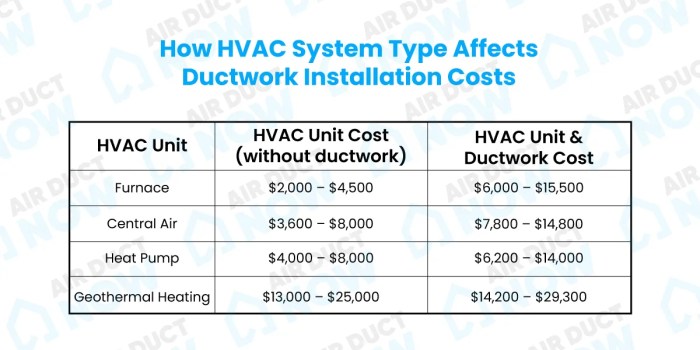
As we conclude our exploration of HVAC installation costs, it becomes evident that understanding the various factors, types, breakdowns, and cost-saving tips is essential for homeowners. With this knowledge in hand, individuals can make informed decisions when it comes to HVAC installations, ensuring efficiency and cost-effectiveness in the long run.
What are some factors that can influence HVAC installation cost?
Factors such as property size, energy efficiency requirements, and additional customizations can impact the overall installation cost.
What are the average installation costs associated with different types of HVAC systems?
The installation costs vary for different HVAC systems like central air conditioning, heat pumps, and ductless mini-split systems.
How can homeowners reduce HVAC installation costs without compromising quality?
Homeowners can lower costs by implementing energy-efficient upgrades, regular maintenance, and ensuring proper sizing and installation practices.