Common Mistakes in Home Furnace Repair
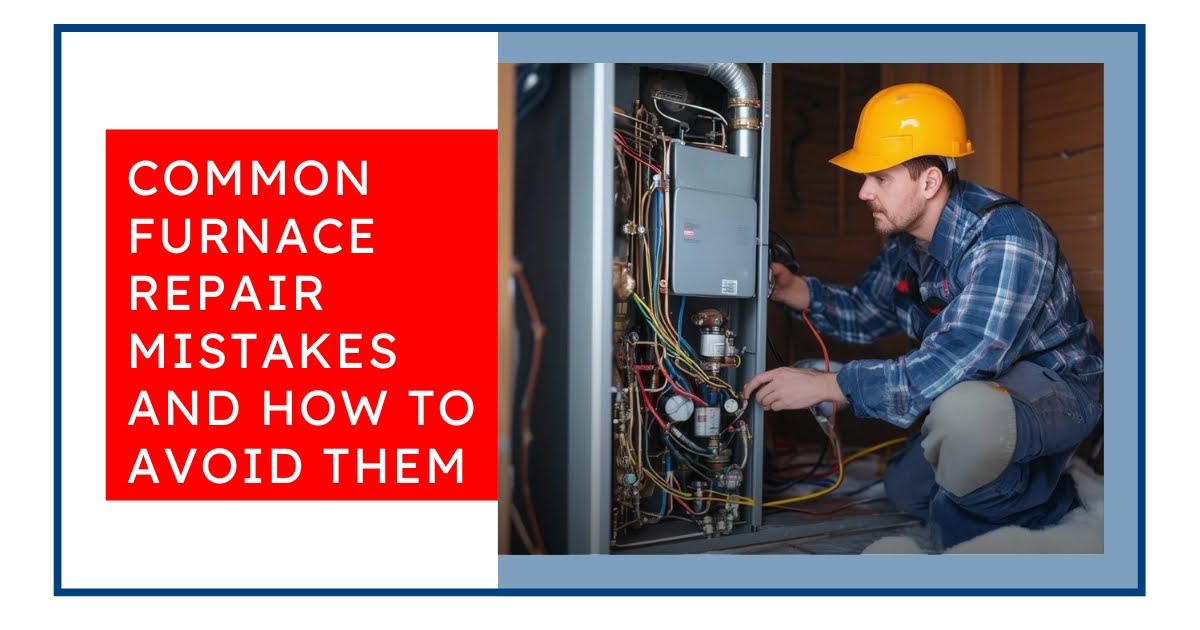
When it comes to repairing your home furnace, there are common mistakes that homeowners often make which can lead to system overheating and shutdowns. It is important to be aware of these errors to avoid further damaging your furnace.
Ignoring Regular Maintenance
One of the most common mistakes homeowners make is neglecting regular maintenance of their furnace. Over time, dust and debris can accumulate in the system, leading to poor air circulation and overheating. Failing to clean or replace air filters regularly can put unnecessary strain on the furnace, causing it to overheat and shut down.
Incorrect Installation of Parts
Another common mistake is improperly installing or replacing parts in the furnace. This could include installing the wrong size air filter, using incorrect replacement parts, or not following the manufacturer's guidelines. Incorrect installation can disrupt the airflow within the system, leading to overheating and potential shutdowns.
DIY Repairs without Proper Knowledge
Attempting to repair the furnace without the necessary knowledge or experience can also be a costly mistake. DIY repairs, if done incorrectly, can worsen the existing issues and result in the furnace overheating. It is crucial to seek professional help or thoroughly research before attempting any repairs on your own.
Importance of Regular Maintenance
Regular maintenance is crucial for the proper functioning of home furnaces. Neglecting routine maintenance can lead to a variety of issues, including overheating and system shutdowns. By performing regular maintenance tasks, homeowners can prevent costly repairs and ensure that their furnace operates efficiently.
Tasks Included in Routine Furnace Maintenance
- Changing air filters regularly to ensure proper airflow and prevent dust and debris buildup.
- Inspecting and cleaning the blower motor to maintain optimal performance.
- Checking and adjusting the thermostat settings to ensure the furnace runs efficiently.
- Inspecting the ductwork for leaks or blockages that could impede airflow.
- Lubricating moving parts to reduce friction and wear.
Neglecting Maintenance and System Failures
Regular maintenance helps identify potential issues before they escalate into major problems. Neglecting maintenance can result in decreased efficiency, increased energy bills, and ultimately system failures. By investing time and effort into routine maintenance, homeowners can prolong the lifespan of their furnace and avoid costly repairs in the long run.
Proper Air Filter Replacement
Replacing the air filter in your home furnace is a crucial maintenance task that is often overlooked. A clean air filter ensures proper airflow, prevents overheating, and helps maintain the efficiency of your furnace.
Importance of Timely Air Filter Replacement
- A dirty or clogged air filter restricts airflow, causing the furnace to work harder to heat your home.
- This increased workload can lead to overheating, which may trigger the system to shut down for safety reasons.
- Regularly replacing the air filter can prevent these issues and prolong the lifespan of your furnace.
Step-by-Step Guide for Air Filter Replacement
- Turn off the power to your furnace to ensure safety during the replacement process.
- Locate the air filter, which is typically found near the return air duct or inside the furnace cabinet.
- Remove the old filter carefully to avoid spreading dust and debris around the area.
- Check the size and type of the old filter to ensure you purchase the correct replacement.
- Insert the new filter with the arrows pointing in the direction of airflow, usually indicated on the filter frame.
- Secure the filter in place and close the access panel before turning the power back on.
- Make a note of the replacement date to establish a regular schedule for future filter changes.
Thermostat Calibration and Settings
Incorrect thermostat calibration can have a significant impact on your home furnace system, potentially leading to overheating and shutdowns. It is crucial to ensure that your thermostat is calibrated correctly to avoid these issues.
Significance of Setting the Thermostat
- Setting the thermostat at the appropriate temperature is essential to prevent the furnace from working harder than necessary, which can result in overheating.
- Proper calibration ensures that the furnace operates efficiently, maintaining a comfortable temperature in your home without straining the system.
- By setting the thermostat correctly, you can also save on energy costs and prolong the lifespan of your furnace.
Tips for Proper Calibration and Settings
- Use a separate thermometer to check the accuracy of your thermostat. If there is a discrepancy, consider recalibrating or replacing the thermostat.
- Ensure that the thermostat is located away from heat sources or drafts that could affect its readings.
- Programmable thermostats can help you maintain consistent temperatures throughout the day, reducing the risk of overheating.
- Regularly check and adjust the settings on your thermostat to accommodate changes in weather or your household's schedule.
Ductwork Inspection and Cleaning
When it comes to your home furnace, the ductwork plays a crucial role in ensuring proper airflow and heat distribution throughout your home. Over time, ductwork can become dirty or blocked, which can lead to issues such as furnace overheating and inefficient operation.Regular inspection and cleaning of the ductwork are essential to prevent these problems and maintain the efficiency of your furnace system.
Neglecting this maintenance task can not only result in overheating but also increase energy consumption and reduce indoor air quality.
Impact of Dirty or Blocked Ductwork
- Restricted airflow: Dust, debris, and blockages in the ductwork can restrict the flow of air, causing the furnace to work harder to maintain the desired temperature.
- Uneven heating: Blocked ducts can lead to uneven heating in different areas of your home, making some rooms too hot while others remain cold.
- Increased energy consumption: A clogged ductwork system forces the furnace to run longer and consume more energy to achieve the set temperature.
Importance of Regular Inspection and Cleaning
- Prevent overheating: By keeping the ductwork clean, you can prevent the furnace from overheating and potentially causing damage to the system.
- Improve efficiency: Clean ductwork allows for better airflow, improving the overall efficiency of your furnace and reducing energy costs.
- Enhance indoor air quality: Regular cleaning helps remove dust, allergens, and pollutants from the ducts, leading to better indoor air quality for you and your family.
Guidance for Homeowners
- Visual inspection: Check for any visible signs of dirt, dust, or debris in the ductwork and address the issues promptly.
- Cleaning methods: Use a vacuum with a long hose attachment to remove dust and debris from accessible ducts. Consider hiring a professional for deep cleaning if needed.
- Sealing leaks: Inspect duct joints and connections for any leaks and seal them properly to prevent air loss and improve efficiency.
Commonly Asked Questions
What are the signs of a clogged air filter in a home furnace?
Some signs include reduced airflow, increased energy bills, and uneven heating. It's important to replace the air filter regularly to avoid overheating.
How often should I schedule maintenance for my home furnace?
It's recommended to schedule maintenance at least once a year to ensure the furnace operates efficiently and prevent overheating issues.
Can thermostat calibration impact the performance of a home furnace?
Yes, incorrect thermostat calibration can lead to overheating issues. Proper calibration ensures the furnace operates at the right temperature.