Understanding Emergency HVAC Service
Emergency HVAC services are crucial during weather-related damage as they ensure the safety, comfort, and well-being of individuals in a property. When extreme weather conditions lead to HVAC system failures, immediate attention is required to prevent further damage and restore a comfortable indoor environment.
Common HVAC Issues Requiring Immediate Attention
- Loss of Heating or Cooling: Sudden loss of heating or cooling function can occur due to power outages, extreme temperatures, or system malfunctions, especially during severe weather events.
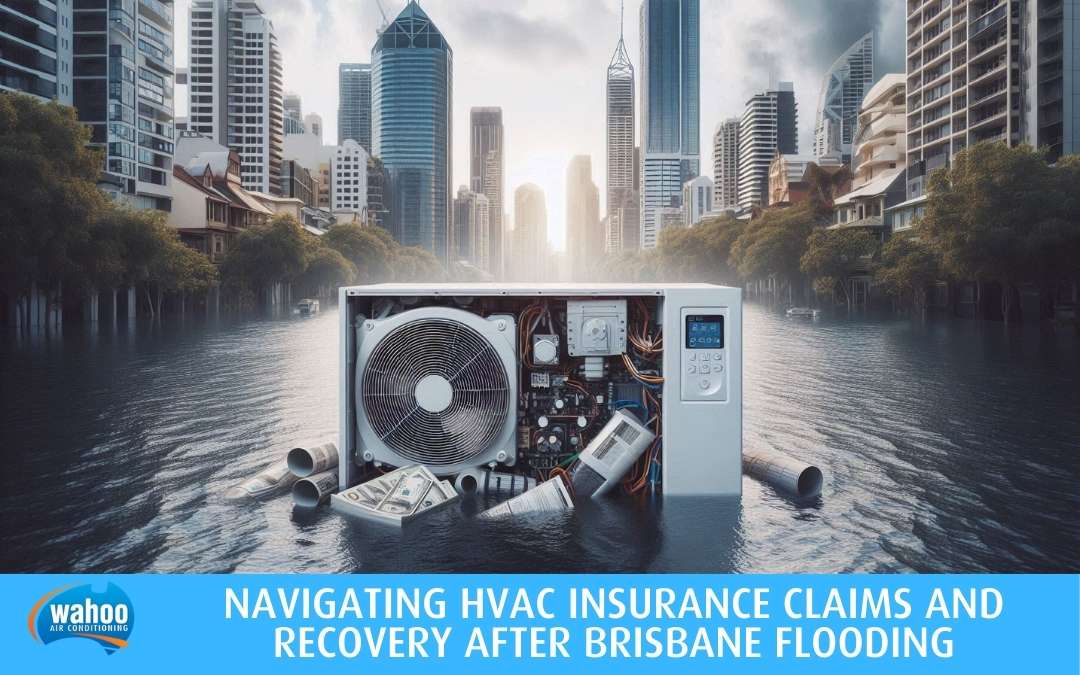
- Water Damage: Heavy rains, flooding, or snowmelt can lead to water damage in HVAC systems, causing leaks, corrosion, and electrical hazards that require urgent repair.
- Blocked Vents or Ducts: Debris, ice buildup, or fallen branches can block vents or ducts, impeding airflow and compromising the system's efficiency, necessitating immediate clearing.
Examples of Severe Weather Conditions Causing HVAC Emergencies
- Hurricanes and Tropical Storms: High winds, heavy rains, and flooding associated with hurricanes and tropical storms can damage HVAC units, ductwork, and electrical components.
- Blizzards and Ice Storms: Freezing temperatures, ice accumulation, and snowfall during blizzards and ice storms can cause system malfunctions, frozen pipes, and blockages in the HVAC system.
- Tornadoes and Severe Thunderstorms: Tornadoes and severe thunderstorms can bring down power lines, trees, and debris that can impact HVAC systems and require immediate attention to ensure safety and functionality.
Navigating Insurance Claims for Weather-Related HVAC Damage
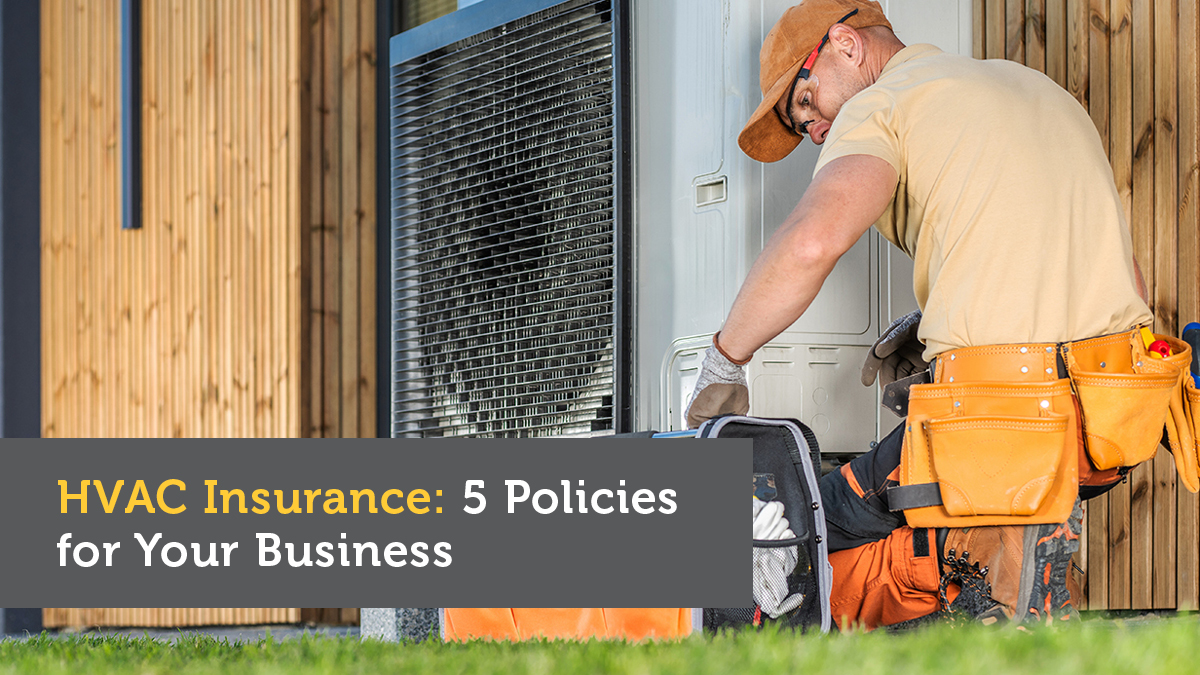
When it comes to filing an insurance claim for weather-related HVAC damage, there are specific steps and information needed to ensure a smooth process. Insurance companies have set procedures for assessing and processing claims related to weather-damaged HVAC systems. Let's dive into the details of navigating insurance claims for weather-related HVAC damage.
Process of Filing an Insurance Claim
- Contact your insurance company promptly after discovering the HVAC damage caused by weather-related incidents.
- Provide detailed information about the damage, including photos if possible, to support your claim.
- Schedule an inspection with the insurance company's adjuster to assess the extent of the HVAC damage.
- Obtain repair estimates from licensed HVAC contractors to submit along with your claim.
- Follow up with your insurance company to track the status of your claim and any additional information needed.
Key Information/Documents Needed for Filing an Insurance Claim
- Copies of your insurance policy for reference to understand coverage limits and exclusions.
- Documentation of the weather-related event that caused the HVAC damage, such as storm reports or official records.
- Receipts or invoices for any temporary repairs or mitigation efforts you made to prevent further damage.
- Proof of ownership for the HVAC system, including installation records and maintenance history.
- Any communication with the insurance company, including claim numbers and adjuster contacts.
Assessment and Processing of Claims by Insurance Companies
- Insurance companies will review the details of your claim and assess the coverage based on the policy terms and the extent of the damage.
- The adjuster may inspect the HVAC system to verify the damage and determine the repair or replacement cost.
- Once the claim is approved, the insurance company will provide instructions on next steps for repairs or replacements.
- Payment for the HVAC damage claim will be issued based on the coverage limits and deductibles Artikeld in your policy.
Fast Response Time and Service
When it comes to emergency HVAC situations caused by weather-related damage, fast response time is crucial. The longer you wait to address the issues, the more extensive the damage can become. Timely service can help prevent further complications and ensure the comfort and safety of your home.
Strategies for Ensuring Fast Service
- Have a reliable HVAC service provider on speed dial: It's important to have a trusted HVAC company that offers emergency services readily available. This way, you can quickly reach out for assistance when needed.
- Maintain regular HVAC maintenance: By keeping up with routine maintenance, you can reduce the risk of sudden breakdowns. Regular inspections can help identify potential issues before they escalate into emergencies.
- Communicate clearly and provide detailed information: When contacting your HVAC service provider, be sure to communicate the urgency of the situation and provide as much detail as possible. This can help prioritize your service call.
Impact of Delayed Response Times on HVAC Systems
Delayed response times during HVAC emergencies can lead to several negative consequences. Firstly, prolonged exposure to extreme temperatures can worsen the damage to your HVAC system, resulting in more extensive repairs or even replacements. Additionally, delayed repairs can compromise the efficiency and lifespan of your HVAC unit, leading to higher energy bills and reduced comfort levels in your home.
Preventative Maintenance to Minimize Weather-Related Damage
Regular HVAC maintenance plays a crucial role in preventing weather-related damage to your system. By taking proactive steps to care for your HVAC unit, you can minimize the risk of unexpected breakdowns or malfunctions, especially during extreme weather conditions.
The Importance of Regular HVAC Maintenance
- Regular maintenance helps identify and address potential issues before they escalate into major problems.
- Ensuring proper airflow and system efficiency can extend the lifespan of your HVAC unit.
- Regular tune-ups can improve energy efficiency, leading to lower utility bills.
- Preventative maintenance can help maintain indoor air quality and prevent health issues caused by HVAC malfunctions.
Tips for Proactively Protecting Your HVAC System
- Clear debris and vegetation around the outdoor unit to ensure proper airflow.
- Change air filters regularly to maintain optimal air quality and system efficiency.
- Inspect ductwork for leaks and seal any gaps to prevent energy loss.
- Schedule annual professional maintenance to ensure all components are functioning properly.
Role of Preventative Maintenance Agreements
- Preventative maintenance agreements offer regular service visits to keep your HVAC system in top condition.
- Agreements often include priority service in case of emergencies, reducing downtime and inconvenience.
- Regular maintenance can help uphold manufacturer warranties, saving you money on repairs or replacements.
- Having a maintenance agreement in place ensures that your HVAC system is consistently cared for by professionals.
Popular Questions
What documents are required when filing an insurance claim for weather-related HVAC damage?
Typically, you will need your insurance policy information, proof of damage, estimates for repair costs, and any relevant photos.
How can homeowners proactively protect their HVAC systems from weather-related issues?
Homeowners can ensure proper insulation, regular maintenance checks, and installing surge protectors to safeguard their HVAC systems.
What role do preventative maintenance agreements play in minimizing emergency HVAC situations?
Preventative maintenance agreements help in identifying and addressing potential issues before they escalate, reducing the risk of emergency HVAC situations.