Importance of Acoustic Solutions in Open-Plan Offices
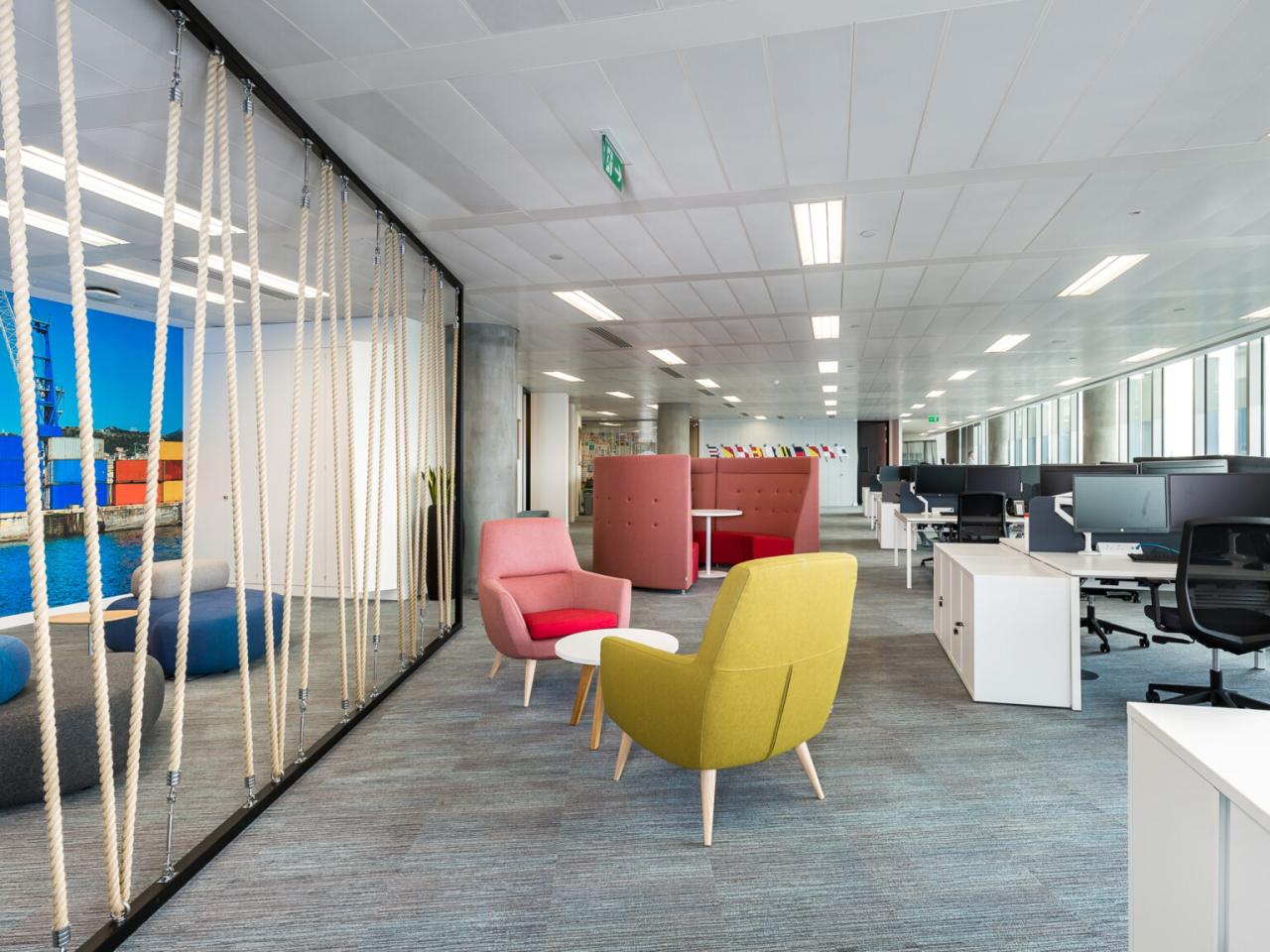
Open-plan offices have become increasingly popular due to their collaborative nature and space efficiency. However, one major challenge that comes with this layout is the issue of noise. High levels of noise in open-plan areas can have a significant impact on employee productivity and well-being.
Implementing acoustic solutions in open-plan offices is crucial for creating a more comfortable and productive work environment. By reducing noise levels, employees can focus better on their tasks, communicate more effectively, and experience less stress and fatigue throughout the day.
Common Noise Sources in Open-Plan Office Settings
- Telephone conversations
- Keyboard typing
- Printer and photocopier noise
- Footsteps and chair movements
- Conversations between colleagues
Types of Acoustic Solutions
When it comes to creating a productive and noise-free environment in open-plan offices, different types of acoustic solutions are available to address the issue of sound control. These solutions not only help in reducing noise levels but also contribute to the overall aesthetics of the workspace.
Sound-Absorbing Panels
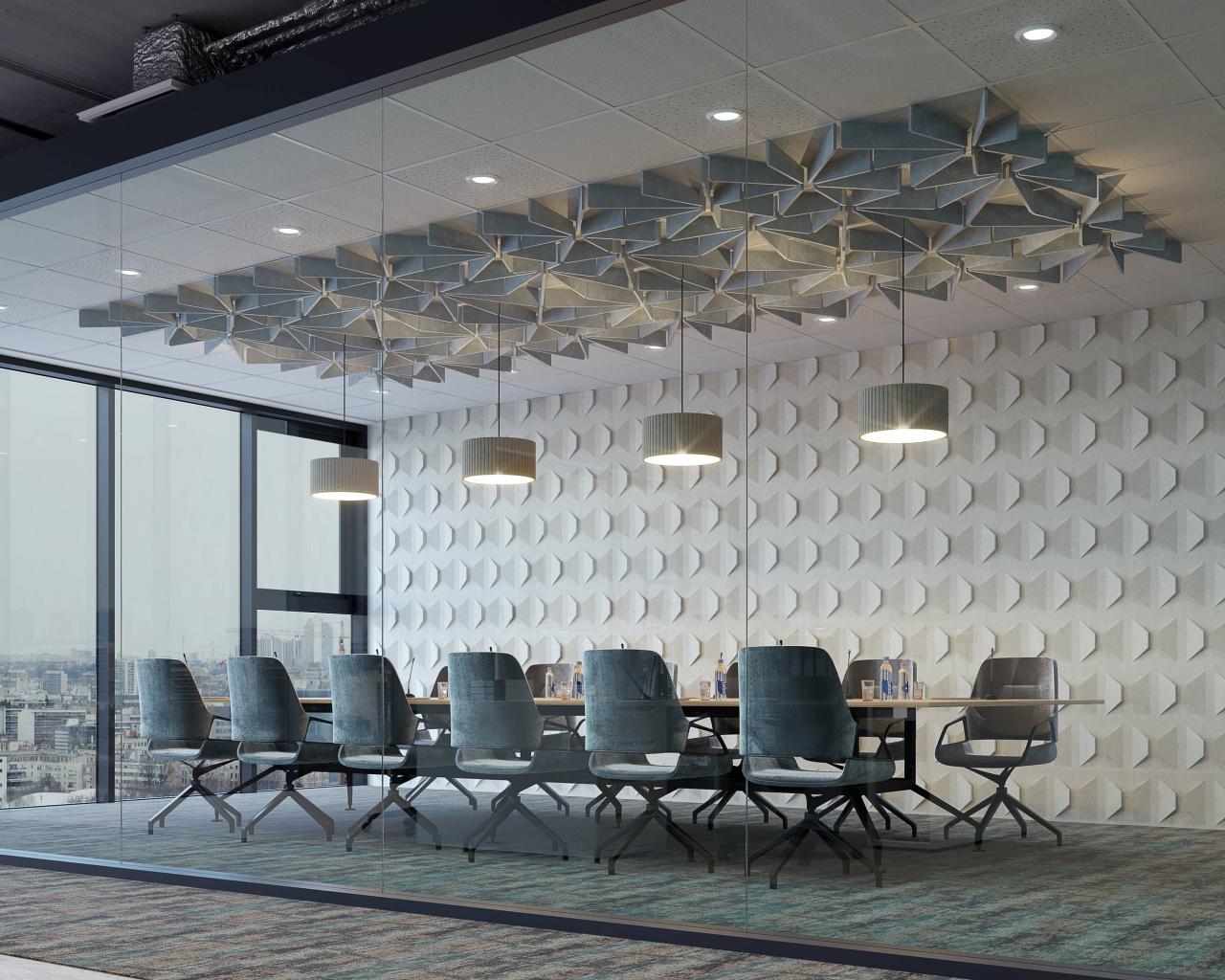
Sound-absorbing panels are one of the most commonly used acoustic solutions in open-plan areas. These panels are designed to absorb sound waves, preventing them from bouncing off hard surfaces and causing reverberation. By strategically placing sound-absorbing panels on walls or ceilings, the overall noise level in the office can be significantly reduced.
Ceiling Clouds
Ceiling clouds are another effective acoustic solution that can be used in open-plan offices. These suspended panels are installed on the ceiling to help absorb sound and reduce noise levels. Ceiling clouds come in various shapes and designs, allowing for customization to blend seamlessly with the office decor.
Acoustic Partitions
Acoustic partitions are a practical solution for creating privacy and reducing noise in open-plan areas. These partitions not only help in dividing the workspace but also act as sound barriers, minimizing distractions and enhancing concentration. Acoustic partitions come in different materials and designs, offering flexibility in both function and aesthetics.
Considerations for Implementing Acoustic Solutions

When it comes to implementing acoustic solutions in open-plan office spaces, several factors need to be taken into consideration to ensure the effectiveness and seamless integration of these solutions.Acoustic solutions play a crucial role in enhancing the overall work environment by reducing noise distractions, improving privacy, and increasing productivity.
Here are some key considerations to keep in mind when choosing and integrating acoustic solutions into your office design:
Budget Considerations
- Consider your budget constraints and explore cost-effective options that align with your financial resources.
- Balance the cost of acoustic solutions with the long-term benefits they offer in terms of employee satisfaction and productivity.
Aesthetics and Design Integration
- Choose acoustic solutions that complement the overall design aesthetic of your office space to ensure a cohesive look.
- Explore customizable options that allow you to blend acoustic panels or partitions seamlessly into the existing design elements.
Acoustical Performance Needs
- Assess the specific acoustical challenges of your open-plan office, such as high noise levels or poor sound insulation, to determine the most effective solutions.
- Customize the acoustic solutions based on the unique needs of different areas within the office, such as meeting rooms, workstations, or collaborative spaces.
Case Studies of Successful Office Fit Out Projects
Implementing acoustic solutions in open-plan areas has become a crucial aspect of office fit-out projects. Let's explore some real-life examples of how office fit out companies have successfully implemented acoustic solutions to enhance employee satisfaction and productivity.
Case Study 1: XYZ Corporation
XYZ Corporation, a leading tech company, revamped their open-plan office space by installing sound-absorbing panels, acoustic ceiling tiles, and carpeting to reduce noise levels. The impact was immediate, with employees reporting a significant decrease in distractions and an increase in focus and productivity.
Case Study 2: ABC Inc.
ABC Inc., a global financial firm, faced challenges with high noise levels in their open-plan office. They addressed this issue by introducing sound masking systems and acoustic partitions. The result was a more comfortable work environment, leading to improved employee morale and reduced stress levels.
Case Study 3: DEF Enterprises
DEF Enterprises implemented a combination of acoustic wall panels, soundproofing curtains, and noise-canceling headphones in their open-plan office. This comprehensive approach not only minimized sound disturbances but also fostered a sense of privacy and concentration among employees, resulting in higher job satisfaction and efficiency.
Essential FAQs
What are the common noise sources in open-plan office settings?
Noise sources can include conversations, ringing phones, printer sounds, and footsteps.
How do acoustic solutions benefit the work environment?
Acoustic solutions help reduce distractions, improve focus, and create a more comfortable workspace.
What factors should be considered when choosing acoustic solutions for open-plan offices?
Consider factors like budget, aesthetics, and acoustical performance when selecting acoustic solutions.